

Hello, dear internet user, and welcome to this highly specialized space for cutting-edge surgery, digestive oncology, and preventive health.
Accurate knowledge about stomach cancer and its initial symptoms is the most powerful diagnostic tool a patient has, as this disease often develops silently for years in the gastric epithelium.
As a specialist surgeon and professor of surgery at the University of Cuenca, my absolute priority is to teach you to listen to your body's biological alerts in order to intercept any cellular alteration in time.
Before we break down the difference between common dyspepsia and a neoplastic alert, analyze the harmful impact of industrial chemical additives on the mucosa, or explain how our medical protocol addresses precision surgical management, I invite you to replace worry with high-level medical education.
Under the academic direction of Dr. Jorge Delgado, we analyze your well-being with the scientific rigor you deserve. We then delve into the knowledge of gastric cancer, also known as stomach cancer, and its symptoms.
It is a type of tumor that originates in the cells of the stomach. It is one of the leading causes of cancer death worldwide.
Frequently asked questions
What are the first symptoms of stomach cancer?
In its early stages, the tumor is a great imitator. Early symptoms are often mistaken for gastritis or common indigestion: a slight feeling of heaviness after eating (early satiety), persistent heartburn, frequent burping, or a subtle but constant discomfort in the upper abdomen (epigastrium).
Not waiting for unbearable pain to appear is the key to preventative health.
What advanced signs indicate that the process requires urgent evaluation?
When the tumor grows and infiltrates the muscle layers or disrupts biomechanical transit, critical warning signs appear: difficulty or pain when swallowing food (dysphagia), drastic and unexplained weight loss, chronic anemia without apparent cause, extreme fatigue, or dark, tarry stools (melena), which indicate internal digestive bleeding.
What chemical factors in the diet accelerate these manifestations?
The stomach lining undergoes daily cellular damage due to environmental procarcinogenic agents. Ultra-processed foods, loaded with synthetic artificial colors, flavors, and preservatives, react aggressively with gastric juices.
Many of these industrial additives generate nitrosamines, mutagenic compounds that damage cellular DNA and accelerate neoplastic transformation in predisposed stomachs.
If it is detected early, what is the role of the operating room?
Early detection through upper endoscopy allows for planning a curative solution. Depending on the stage, treatment can range from endoscopic mucosal resection to minimally invasive laparoscopic oncologic gastrectomy.
As we always emphasize in university classrooms, the operating room is not the space for preventative solutions; it is the place designed for resolving complications of a health condition that was not addressed in time.
In this article, we'll explore the main symptoms, causes, and treatment options for stomach cancer. Understanding these factors, "written by people, for people ," helps with early detection and improves the chances of successful treatment for this potentially fatal disease.
Therefore, it is advisable to drink a cup of green tea, the world's most widespread antioxidant, in addition to consuming L-theanine, a powerful 100% natural neurostimulant, for high mental concentration and information retention for personal improvement.
It determines a proactive attitude and the ability to cope with the bad intentions of self-evaluation or self-medication, which increases discomfort and delays medical help in the incipient discomforts that gastric neoplasia usually presents.
Let's get more information on the related topic!
Stomach cancer and its symptoms
Stomach cancer is an alarming condition that affects many people each year. The incidence of gastric cancer is increasing alarmingly, with a global rate of 9,6 cases per 100.000 people.
Therefore, it is important to know the signs and discomforts associated with this type of neoplasm in order to detect it early and treat it appropriately and promptly.
The most common symptoms of stomach cancer are early abdominal pain, nausea, vomiting, bloating, and loss of appetite. Anyone experiencing any of these symptoms should consider speaking with their doctor as soon as possible for evaluation and treatment.
In addition to being aware of the symptoms, understanding how often they appear can help detect cases earlier than usual.
Knowing that men aged 55 to 65 are most affected by this particular cancer may reassure people who may feel that their age group does not experience these things as often as others.
Stomach cancer is an insidious disease, but if detected early through proper education about its causes, symptoms, and complications, it is much more likely to be treated successfully or even cured. Early diagnosis is key to the success of treatments such as chemotherapy or surgery.
Main symptoms of gastric cancer:
Stomach tumors, also known as gastric cancer, can often develop without causing noticeable symptoms, especially in the early stages.
However, as the disease progresses, people may experience various discomforts. One of the main indicators of gastric cancer is a persistent feeling of fullness , even after eating a small meal.
In some cases, this feeling may be accompanied by a marked lack of appetite, unexplained and involuntary weight loss, and a general feeling of weakness and fatigue.
In addition, people with symptoms of gastric cancer or neoplasia may experience frequent and intense episodes of indigestion, as well as abdominal discomfort or pain , such as a gnawing sensation or a persistent and diffuse burning pain in the stomach area.
Furthermore, symptoms such as nausea, vomiting (sometimes with traces of blood) and difficulty swallowing (dysphagia) can also be indicative of gastric cancer.
It is important to note that, although these symptoms may be caused by conditions other than cancer, people who experience persistent or worsening signs should seek medical attention at hospitals or health clinics, through the public or private health system, for proper evaluation and diagnosis.

In some cases, stomach cancer can also cause anemia, which may manifest with symptoms such as dizziness , weakness, and paleness . It is crucial that people pay attention to these signs and consult a medical professional within the public or private healthcare system for a thorough evaluation of their overall health.
Risk factors associated with gastric cancer
Several factors have been identified that can increase a person's risk of developing a gastric tumor. Among these factors, chronic inflammation of the stomach, often caused by infection with the bacterium Helicobacter pylori , is considered a major risk factor.
In addition, certain dietary and lifestyle choices, such as consuming salty and smoked foods and a lack of fresh fruits and vegetables, are associated with a higher risk of developing this type of cancer.
In addition, a history of stomach polyps, a family history of stomach cancer, smoking, excessive alcohol consumption , and certain conditions, such as pernicious anemia , can also increase the risk.
It is important that people with these risk factors pay special attention to any unusual or persistent symptoms and undergo regular medical check-ups and examinations to facilitate early detection and intervention if necessary.
Detailed description of gastric cancer
Stomach cancer originates in the lining of the stomach and can affect different areas as it progresses. This type of cancer is usually classified according to the specific stomach cells from which it originates.
For example, the most common type of stomach cancer, known as adenocarcinoma , begins in the cells of the innermost layer of the stomach lining.
Other less common types of gastric cancer include lymphoma , which begins in the immune system tissue of the stomach, and gastrointestinal stromal tumors (GISTs) and carcinoid tumors , which also originate in the neuroendocrine cells of the stomach.
Stomach cancer can also be described by its stage, which indicates the extent and severity of the disease. In the early stages , stomach cancer may be confined to the inner layers of the stomach and affect only a small area.
As it progresses to more advanced stages , it can spread to nearby lymph nodes and other organs close to the stomach and, in its most advanced stage, metastasize to distant parts of the body.
Understanding the specific characteristics and stage of the cancer is crucial to determining the most effective therapeutic approach and its control, as well as providing a prognosis to the patient and their family.
Prevention strategies to address the risk of gastric cancer
Although the exact causes of stomach cancer are not yet fully understood, there are several preventative measures that people can take to reduce their risk of developing the disease.
Making dietary choices that prioritize the consumption of fresh fruits and vegetables rich in dietary fiber , and that limit the intake of highly processed, salty and smoked foods, can help reduce the risk of stomach cancer.
It is also important to pay attention to food safety and hygiene and avoid consuming contaminated or improperly processed food , as certain foodborne infections have been linked to an increased risk of this type of cancer.
In addition, individuals can take steps to minimize the impact of known risk factors, such as effectively addressing and treating conditions like Helicobacter pylori infection and chronic gastritis , and striving to quit smoking and moderate alcohol consumption.
In cases where there is a significant family or medical history that predisposes a person to stomach cancer, regular check-ups and consideration of preventive interventions may be recommended.
These may include removal of the stomach (gastrectomy) or, in some cases, prophylactic surgery to remove tissues at high risk of developing cancer.
Ultimately, by taking proactive steps to address potential risk factors and adopting a healthy lifestyle, including muscle strengthening , individuals can play a vital role in reducing the incidence of stomach cancer and its impact on overall health.
Therefore, prevention is a lifestyle choice that can protect against this type of cancer and usually consists of avoiding risk factors such as obesity, leading a sedentary lifestyle, and maintaining poor eating habits.
Eating healthy foods regularly strengthens muscles and can help reduce the risk of developing stomach cancer. In addition, exercising regularly with a fitness program , getting enough sleep each night, and avoiding smoking are important aspects of a cancer-preventing lifestyle.
It is vital to know the symptoms of stomach cancer, which can include abdominal pain, indigestion or heartburn, nausea or vomiting, unexpected weight loss, and difficulty swallowing.
If you experience any of these ailments, it is important to see a doctor immediately, as early diagnosis and treatment are key to successfully managing this disease.
Relevant information on the diagnosis and treatment of gastric cancer
Diagnosing stomach cancer usually involves a thorough evaluation that may include reviewing the person's medical history, a complete physical examination, and a series of specific tests and procedures.
These may include additional studies, such as an upper digestive endoscopy, as well as the collection and analysis of tissue samples for laboratory testing.
In some cases, imaging techniques such as computed tomography (CT), magnetic resonance imaging (MRI), and positron emission tomography (PET) may also be used to assess the extent of the cancer and the presence of metastases. Additionally, the detection of specific tumor markers in the blood can provide further diagnostic information.
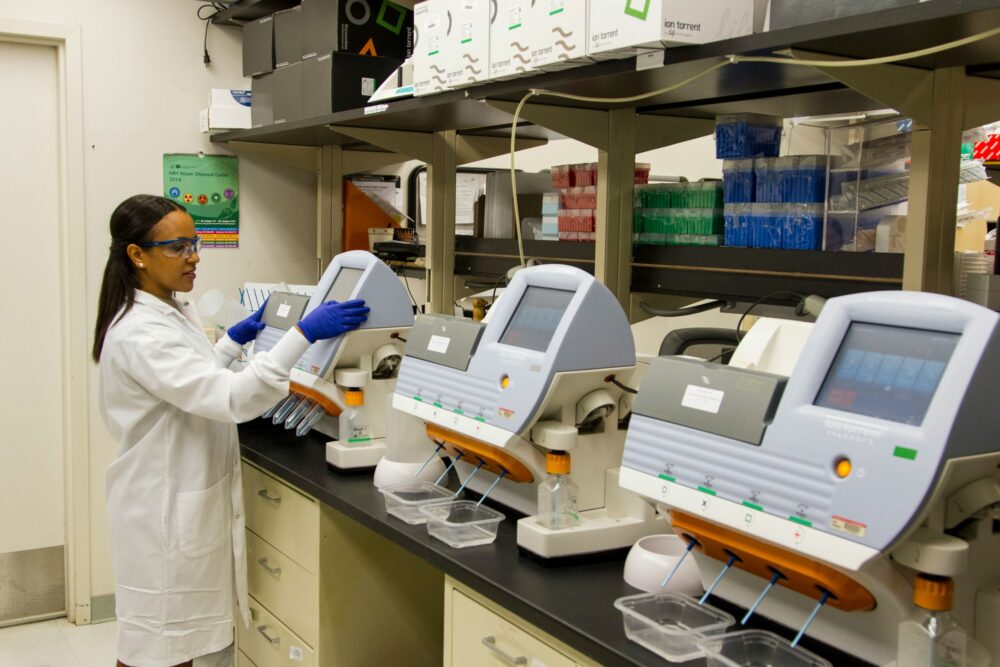
Once a stomach tumor diagnosis has been determined, the treatment approach is tailored to the individual's unique circumstances, including the characteristics of the cancer, its stage, as well as the person's overall health and preferences.
Treatment for stomach cancer usually consists of a combination of surgery, chemotherapy, and radiotherapy, and in some cases, targeted therapy and immunotherapy may also be recommended.
The main goal of the treatment is to eliminate cancer cells, prevent them from continuing to grow and spread, relieve associated discomfort, and optimize the person's quality of life.
Continuous advances in the understanding of the disease and the development of innovative therapeutic approaches continue to improve the outlook for people affected by stomach cancer, highlighting the importance of collaborative and multidisciplinary management by a team of specialized healthcare professionals.
Additional considerations regarding gastric cancer
It is important to note that the presence of symptoms associated with stomach cancer does not necessarily mean the disease is present. Many of these symptoms can be caused by conditions unrelated to cancer, and their appearance should prompt a thorough medical evaluation to determine the underlying cause.
Furthermore, although stomach cancer represents a significant health problem, it is equally important to recognize that its incidence is decreasing in many parts of the world, which is partly attributed to the implementation of preventive strategies and advances in early detection and comprehensive treatment of the disease.
For people who may be at increased risk of stomach cancer, whether due to specific risk factors or a family history of the disease, seeking accurate and reliable information from accredited health sources and consulting qualified medical professionals can provide the guidance and support needed to make informed decisions about their health.
By leveraging available resources and knowledge, individuals can proactively address their risk factors, recognize potential discomfort, and access timely and effective interventions, ultimately contributing to continued progress in understanding, preventing, and treating stomach cancer and its impact on global health.
When we talk about stomach cancer, we're referring to a type of tumor that originates in the stomach, a part of the body located in the upper abdomen, between the esophagus and the small intestine. The symptoms of stomach cancer can sometimes resemble those of other gastrointestinal conditions and can vary from person to person.
The most frequent symptoms of gastric tumors are:
- Persistent abdominal discomfort or pain.
- Nausea and vomiting.
- Unexplained weight loss.
- Loss of appetite.
- Feeling of fullness or bloating after eating.
- Heartburn.
- Difficulty to swallow.
- Fatigue.
- Vomiting with blood.
- Blood in the stool.
Causes of stomach cancer.
It is important to note that the exact underlying reasons for the development of this disease are not fully understood. However, certain factors have been identified that may increase the risk of developing stomach cancer.
These factors may include a prolonged infection with the Helicobacter pylori bacteria , a history of certain stomach conditions, smoking, a family history of stomach cancer, a diet high in salty and smoked foods, as well as the presence of certain genetic mutations.
These factors can influence the likelihood of a person developing a stomach tumor, and in many cases, the disease can result from a combination of different risk factors.
To effectively reduce the risk of stomach cancer, people are advised to consider various preventative measures , such as adopting a diet rich in fresh fruits and vegetables and low in salted, smoked, and pickled foods.
In turn, paying attention to food safety and hygiene and avoiding the consumption of contaminated food and drinks can also help reduce the risk of stomach cancer.
In addition, quitting smoking, moderating alcohol consumption, and seeking treatment for H. pylori infection or other relevant stomach conditions are important steps to reduce the risk of developing this disease.
For individuals with a family history of stomach cancer or other significant risk factors, consulting a healthcare professional for a personalized risk assessment and the formulation of a risk reduction strategy is crucial to effectively address and minimize the potential impact of these factors on long-term health.
Diagnosis, treatment and detection of stomach cancer
The treatment of stomach cancer typically involves a comprehensive, multidisciplinary approach. This may include the use of various diagnostic techniques, such as imaging studies, endoscopic procedures, and tissue sample analysis, to determine the presence and characteristics of the cancer.
Treatment for stomach cancer may include surgical interventions to remove cancerous tissue, the administration of chemotherapy and/or radiotherapy, as well as other targeted or immunotherapeutic approaches, depending on the specific nature of the cancer and its stage.

The individualized nature of the treatment and the collaborative involvement of a specialized healthcare team are fundamental to addressing the unique needs and circumstances of each patient with stomach cancer, with the ultimate goal of eradicating the cancer, relieving symptoms, and optimizing the individual's overall well-being and quality of life.
Value analysis
Chemical and Mechanical Factor Management:
Dr. Delgado brings a unique value by connecting clinical symptoms with the physics and chemistry of digestion.
Explaining that heartburn that doesn't subside with common antacids isn't a "normal reflex," but rather a change in the chemical gradient and elasticity of the stomach wall, transforms the reader's perception. The content moves beyond the typical generic list of symptoms to become a manual for cellular self-protection.
Academic and Teaching Vision:
The key difference lies in demystifying chronic indigestion . As professors, we teach that normalizing stomach discomfort and resorting to prolonged self-medication with antacids is a biological hazard that masks cancers in their curable stages. Providing a clear algorithm for when to consult a specialist democratizes clinical judgment and saves lives outside the hospital.
Conclusion
Finally, the most important point: stomach cancer can be a difficult disease to detect, as it often develops without obvious symptoms.
However, by being aware of the main symptoms, such as difficulty swallowing and abdominal pain, and by taking preventive measures, such as eating a healthy diet and avoiding risk factors, we can reduce the likelihood of developing this type of cancer.
It is important to prioritize regular checkups and screening tests to identify and treat stomach cancer in its early stages; this is the challenge for every doctor dedicated to preventing this fatal digestive disease.
It is an opportunity for solidarity by sharing preventive health information about gastric tumors through social networks and, with that knowledge, we can, together, reduce the serious consequences of this neoplasm.
Thank you for leaving your comment and suggestions for the digestive health blog. Warmest regards, and see you in the next post!
Dr. Jorge Delgado, Surgeon. Stomach Cancer: Its Symptoms.
📌 Recommended readings:
👨⚕️ Most common histological variant directly linked to dietary factors
👨⚕️ when symptoms are ignored and the tumor infiltrates the deep layers
👨⚕️ Differentiate between acute abdominal pain of obstructive or perforative origin