
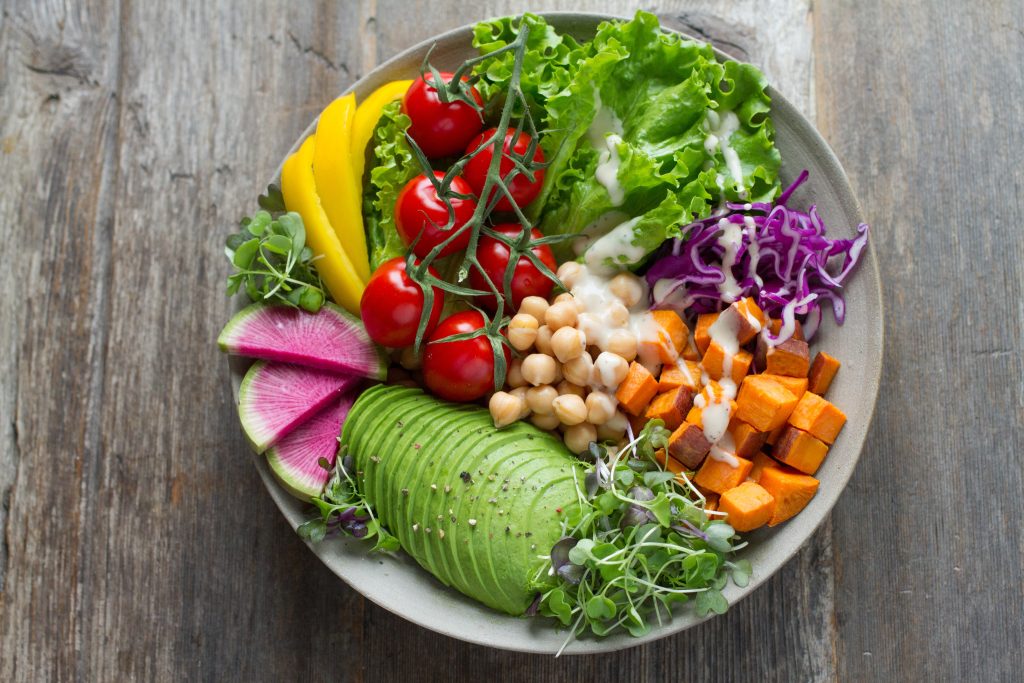
Hello, fellow internet user, welcome to this highly specialized space dedicated to digestive health and advanced surgery. When we talk about effective total dietary fiber , we're referring to the complete synergy between soluble and insoluble fiber that your body needs to function at its peak efficiency.
As specialists with a teaching background, we know that abdominal health begins with the balance of what we ingest; fiber is not just a supplement: it is the invisible architecture that supports the integrity of your colon and your abdominal wall.
Before exploring how to calculate your requirements, identify the best natural sources, or how our cutting-edge surgical protocol integrates this concept to guarantee your longevity, I invite you to release the tension in your shoulders and breathe calmly; comprehensive well-being is within your reach.
Under the academic direction of Dr. Jorge Delgado, we will analyze the power of total fiber in the daily diet to achieve excellent well-being, as well as the control of cholesterol and blood sugar levels.
Common questions
What defines "total" dietary fiber?
It refers to the sum of dietary fiber (that which is naturally present in plant-based foods) and functional fiber (that which has been isolated or extracted and added to foods for its proven physiological benefits). This is the concept of holistic nutrition.
Why is it more effective to consume total fiber than isolated supplements?
Nature provides a complex matrix: fiber comes accompanied by phytonutrients, vitamins, and antioxidants. This "matrix synergy" enhances absorption and maximizes anti-inflammatory and protective effects that an isolated supplement cannot replicate.
How does total fiber impact the prevention of abdominal wall pathologies?
By maintaining adequate fecal volume and smooth intestinal transit, total fiber drastically reduces intra-abdominal pressure. Less pressure equates to a lower risk of developing or recurring hernias and less systemic inflammation in the area.
How can I effectively implement this "total fiber" in my daily life?
Prioritizing "live" (unprocessed) foods: legumes, whole grains, seeds, fruits with peels, and raw vegetables. The cutting-edge protocol suggests rotating these sources to ensure a full spectrum of beneficial microorganisms in your gut microbiota.
The action of fiber is multifaceted and impactful at the level of the digestive tract and, in turn, its action extends to various systems that, in light of knowledge, are kept in their lowest profile due to the great influence of guerrilla marketing applied by the large junk food industries (in sophisticated words, refined food).
Now we're going to an important step: stand up and take a deep breath, hold it for four seconds, and exhale slowly. Repeat this exercise four times. This is the best way to provide your neurons with this excellent source of vital energy.
These will provide us with a high cognitive capacity and the retention of information for personal development, which will determine a proactive attitude towards the unreflective attack of the transgenic food industry.
It is appropriate to applaud the decision of Robert F. Kennedy Jr. , U.S. Secretary of Health and Human Services (1): the absolute prohibition of petroleum-derived colorings, flavorings, and preservatives in junk food.
This action should be supported by the health ministries of the vast majority of countries, which truly safeguard the interests of their citizens. It's a powerful emotional awakening from the slumber of the global harm inflicted on the population, with health in the hands of the greatest aggressors and, in some cases, without any oversight from the state. Congratulations on this decisive action.
Without further ado, let's get to today's topic!
Effective total dietary fiber
When it comes to dietary fiber, we're often in the dark. Total dietary fiber is an incredibly important macronutrient for human health, yet many people are unaware of its various sources and the different types of fiber available; therefore, this information is "written by people, for people" in a fresh, everyday style.
The frequency of consumption, sources, and specific types can seem mysterious, but understanding total dietary fiber is key to maintaining a healthy lifestyle. Total dietary fiber includes both soluble and insoluble fiber, both of which have important functions in the body.
Soluble fiber helps lower cholesterol levels and stabilizes blood sugar levels, while insoluble fiber aids digestion.
Increasing total dietary fiber intake has many benefits, such as promoting satiety, relieving constipation, and reducing the risk of chronic diseases.
The best way to increase total dietary fiber is to incorporate a variety of foods into your diet, from grains, fruits and vegetables to legumes, nuts and seeds.
Understanding the importance of total dietary fiber can help you make informed choices about what to eat to stay healthy and proactive.
To obtain these rewards, one must be aware of the various actions that can be taken to increase total dietary fiber intake.
Whether through supplementation or by choosing higher fiber foods for meal preparation, increasing dietary fiber intake plays a key role in promoting overall well-being.
Understanding total dietary fiber
When maintaining a healthy lifestyle, the importance of dietary fiber cannot be overstated. Total dietary fiber is a term that encompasses the different types of fiber found in plant-based foods , such as fruits, vegetables, whole grains, beans, and legumes.
This is a group of complex compounds that cannot be digested by the small intestine and are instead broken down by bacteria in the large intestine. It is the undigested nature of total dietary fiber that makes it so beneficial for digestive health and overall well-being.
There are two main types of dietary fiber: soluble and insoluble.
- Soluble fiber It is known for its ability to dissolve in water and form a gel-like substance. It is effective in reducing cholesterol levels and regulating blood sugar levels.
- On the other hand, insoluble fiber It increases stool volume and helps regulate bowel movements. It is important for preventing constipation and promoting overall gut health.

Foods high in dietary fiber usually contain a combination of soluble and insoluble fiber, and it is essential to include a variety of these sources in the diet to obtain the full range of health benefits.
The benefits of total dietary fiber
Consuming an adequate amount of total dietary fiber has been linked to a wide range of health benefits.
- First, it is known to increase the weight and size of stools, making them softer and easier to pass. This, in turn, helps regulate bowel movements and prevent constipation.
- In addition, fiber plays a crucial role in maintaining colon health and reducing the risk of developing certain digestive disorders.
- It has also been associated with lowering cholesterol levels, which is beneficial for cardiovascular health, as well as regulating blood sugar levels, making it a key component in diabetes management.
- A diet rich in total dietary fiber can also help control weight, as fiber-rich foods are more satiating and can reduce appetite. This can contribute to a healthy weight and may even be linked to greater longevity.
The positive impact of dietary fiber on overall health and well-being is immense, making it an essential component of a balanced diet. The focus of the digestive health blog, run by Dr. Delgado, is to reach a wider audience globally.
⚠️ NOTE: This content is for informational purposes only. For medical advice or diagnosis, consult a healthcare professional in your area.
Sources of total dietary fiber
Fruits, vegetables, whole grains, beans, and legumes are excellent sources of total dietary fiber. In particular, foods such as apples, pears, bananas, berries, broccoli, carrots, and kale are known for their high fiber content.
Whole grains, such as quinoa, barley, and brown rice, are also rich in dietary fiber, as are beans and other legumes, such as lentils, black beans, and chickpeas. By incorporating a variety of these foods into your meals, you can easily increase your overall fiber intake and enjoy the many benefits it provides.
It is important to note that, in addition to the abundant health benefits, consuming enough dietary fiber is also associated with a lower risk of developing certain chronic diseases.
For example, it has been shown to reduce the risk of developing heart disease, stroke, type 2 diabetes, and colorectal cancer . By including a wide variety of fiber-rich foods in your diet, you can actively work to reduce your risk of these life-threatening conditions.
Recommendations for increasing total dietary fiber intake
When it comes to increasing total dietary fiber intake, there are several practical strategies that can be adopted. These include making simple changes such as incorporating more fruits and vegetables into the diet, choosing whole-grain products instead of refined ones, and including legumes in meals.
It is also important to increase fiber intake gradually and make sure to drink enough water so that the fiber can work effectively in the digestive system.

In addition, it can be beneficial to read food labels to learn about the dietary fiber content of different products, allowing you to make more informed choices when selecting your diet.
Therefore, the importance of total dietary fiber for promoting and maintaining overall health cannot be overlooked. With its numerous benefits for digestive health, cholesterol and blood sugar control, as well as its role in reducing the risk of chronic diseases, it is crucial to ensure that your daily diet includes sources of dietary fiber.
By being mindful of your fiber intake and making a conscious effort to incorporate a variety of fiber-rich foods into your meals, you are taking a proactive step towards maintaining and improving your long-term health and well-being.
Understanding the role of soluble and insoluble fibers in total dietary fiber
As part of total dietary fiber, it is essential to distinguish between soluble and insoluble fiber and understand the unique benefits of each.
- Soluble fiber, known for its ability to dissolve in water and form a gel-like substance, is effective in regulating blood sugar levels, reducing cholesterol, and promoting a feeling of satiety.
- On the other hand, insoluble fiber increases stool volume and contributes to regular bowel movements, which promotes overall intestinal health.
By consuming a wide range of fiber sources that provide both soluble and insoluble fiber, people can harness the full potential of total dietary fiber and enjoy a holistic approach to their digestive and overall well-being.
Foods naturally rich in fiber, such as fruits, vegetables, and whole grains, usually contain a combination of both types of fiber, making them an ideal complement to a balanced and healthy diet. The recommended daily intake for men is 38g and for women, 25g.
The connection between total dietary fiber and heart health
It is worth noting that one of the key areas where total dietary fiber has a significant impact is cardiovascular health. Through its ability to lower cholesterol levels and regulate blood sugar, dietary fiber plays a crucial role in reducing the risk of cardiovascular disease.
By incorporating an adequate amount of soluble fiber, in particular, into the diet, people can actively work to maintain healthy cholesterol levels and promote cardiovascular well-being.
Furthermore, the role of total dietary fiber in promoting a healthy weight and potentially enhancing longevity has attracted increasing attention in the field of nutritional science. The feeling of satiety and satisfaction that comes with consuming fiber-rich foods can help control weight, contributing to a healthy weight and, in turn, potentially to longevity.
The multifaceted benefits of total dietary fiber make it a key component of a heart-healthy and long-lasting diet, allowing people to enjoy the benefits of nature and raising awareness about the need to avoid genetically modified foods.
Exploring the link between total dietary fiber and digestive health
When considering the impact of total dietary fiber, its influence on digestive health is of paramount importance. Thanks to its ability to increase stool volume, promote regular digestion, and encourage the growth of beneficial bacteria in the gut, dietary fiber plays a vital role in maintaining and improving digestive health.
Both soluble and insoluble fiber contribute to the proper functioning and resilience of the digestive system; in particular, insoluble fiber is essential for regulating intestinal transit and preventing digestive disorders.
Furthermore, the positive impact of total dietary fiber on the prevention of certain digestive disorders, such as those related to the colon, further underscores its essential role in the long-term maintenance of digestive health.
By fostering a diverse and thriving population of beneficial bacteria in the gut and by supporting the smooth and efficient functioning of the digestive system, dietary fiber is a fundamental pillar of digestive well-being.
Understanding the comprehensive benefits of total dietary fiber
Given the large number of benefits associated with total dietary fiber, it is clear that its multifaceted impact on various aspects of health is significant.
From its role in promoting and preserving digestive health to its influence on regulating cholesterol and blood sugar levels and its support for maintaining a healthy weight, total dietary fiber is a fundamental element of a balanced and healthy diet.
Furthermore, the potential of total dietary fiber to actively reduce the risk of developing a number of chronic diseases further underscores its critical role in the long-term maintenance of health and well-being.
With its abundance of benefits and crucial impact on various dimensions of health, total dietary fiber stands as a cornerstone of a holistic, health-oriented nutritional approach.

By recognizing its profound significance and making a concerted effort to include a wide range of fiber-rich foods in our daily diet , we can take proactive steps to strengthen our overall health and well-being, both now and in the future.
Value analysis
The Nutritional Matrix as a Shield:
The fundamental value of this analysis lies in elevating the patient's perspective: fiber is not treated as a "cure for putrefactive constipation," but as a metabolic shield (3). Dr. Delgado adds value by connecting a healthy gut microbiota with the body's ability to repair tissues after surgery.
Teacher Rigor:
The difference lies in the hierarchy of evidence. As an academic, I emphasize that the effectiveness of total fiber lies not in the raw quantity, but in the diversity of sources , which ensures that all intestinal metabolic pathways benefit equally.
Conclusion
Now that we've covered the essentials, understanding the benefits, sources, and proper recommendations regarding total dietary fiber is crucial for maintaining a healthy digestive system, controlling cholesterol and blood sugar levels, and promoting overall well-being.
By incorporating fiber-rich foods into our diet, such as fruits, vegetables, whole grains, beans, and legumes, we can take advantage of their various benefits and ensure that we maintain a balanced and nutritious diet.
Now is the perfect time to show solidarity by sharing on social media the latest news about the preventative health benefits of dietary fiber; this way, more family and friends stay informed and together they can reduce the risk of dreaded chronic diseases.
Thank you for leaving your comment and suggestions for the blog. Warm regards, and see you next time!
Dr. Jorge Delgado, Surgeon. The Effective Total Dietary Fiber.
📌 Recommended reading: The necessary technical breakdown
📌 Recommended reading: Vanguard Tactics
📌 Recommended reading: The surgical approach that benefits from a healthy wall