
Welcome to this highly specialized portal for advanced surgery and clinical nutrition. The 10-in-1 dietary fiber concept is not just a list of benefits; it's a strategic roadmap showing how a single nutritional component can protect ten critical systems in your body.
As specialists with an academic background, we observe that most pathologies of the abdominal wall and colon originate when we neglect this biological 'multitasking'.
Before delving into the ten essential functions—from glucose control to microbiota protection—or how our cutting-edge surgical protocol uses this information to ensure your postoperative success, I invite you to release the tension in your hands and breathe calmly; information is your best medicine.
Under the direction of Dr. Jorge Delgado, we will analyze this ten-point health guide, today with great interest in discovering the 10-in-1 dietary fiber and understanding its advantages and importance for preventive health.
Learn about the different types of fiber and their benefits, the recommended daily amount, and tips for incorporating it into your diet. Explore dietary fiber sources "written by people, for people" and the variety of benefits it can provide for your overall well-being.
FAQ
What does "10 in 1" mean in the context of fiber?
It refers to the ten main physiological functions it performs: it regulates intestinal transit, controls cholesterol, modulates glucose, generates satiety, feeds the microbiota, prevents colon cancer, prevents hemorrhoids, protects the abdominal wall (prevents straining), reduces systemic inflammation, and detoxifies the digestive tract.
Why is it vital to avoid hernia surgery?
Fiber prevents putrefactive constipation. Repeated straining during bowel movements dramatically increases abdominal pressure; by eliminating this straining, fiber acts as an invisible reinforcement that prevents tissues from rupturing and hernias from forming.
How does it help with postoperative recovery?
In the cutting-edge protocol, a patient with a good fiber intake avoids the complications of ileus (intestinal paralysis) after anesthesia, allowing for a faster return to normal life.
Do you need to take supplements to get this 10-in-1?
Ideally, it should be obtained from food (fruits, vegetables, legumes). However, during pre-surgical rehabilitation phases, the specialist may recommend specific combinations to maximize these ten benefits more quickly.
With this comprehensive guide, you'll have all the information you need to make informed decisions about your dietary fiber intake.
It is advisable to drink a cup of green tea, which contains the amino acid L-theanine, an antioxidant with neurostimulating properties that improve cognitive acuity and information retention, and promote personal development.
This establishes a proactive attitude to deal with digestive disorders which, if they intensify, become a health problem that, in most cases, requires the help of doctors in hospitals or clinics, through the public or private health system, where colleagues provide care and treatment to relieve discomfort.
10-in-1 Dietary Fiber
10-in-1 dietary fiber is an excellent way to ensure you get the amount of fiber your body needs. It not only provides essential nutrients but also helps lower cholesterol and blood sugar levels, improve digestion, and increase satiety.
There are a wide variety of sources of dietary fiber, such as whole grains, nuts and seeds, fruits, and vegetables. When incorporating this type of fiber into your diet, it's important to pay attention to the specific sources and recommendations for the fiber you consume to obtain the maximum benefit without unpleasant side effects.
In addition, since dietary fiber helps with bowel regularity and digestive health, monitoring bowel frequency in numbers can be useful for tracking overall health.
Being aware of the causes, symptoms, and complications associated with insufficient dietary fiber can also help people identify their personal needs and ensure they are adequately meeting their nutritional goals.
Many sources recommend consuming between 20 and 38 grams of dietary fiber per day, depending on sex, to reap its health benefits. Dietary fiber, with its 10 benefits in 1, is therefore an ideal way to address all these aspects in a single supplement.
A dietary fiber
Dietary fiber, also known as husk or skin , is a plant-based carbohydrate that the small intestine cannot digest. Unlike other carbohydrates, which break down into sugar molecules, fiber passes through the intestinal tract relatively intact.

It is found in the cell walls of plants and occurs in two forms: soluble and insoluble.
- La Soluble fiber It dissolves in water and is found in foods such as oats, nuts, seeds, and some fruits.
- La insoluble fiberOn the contrary, it does not dissolve in water and is found in foods such as whole grains, wheat bran, and vegetables.
Both types of fiber are essential for maintaining good health and provide unique benefits to the body.
Consuming an adequate amount of dietary fiber is crucial for overall well-being. It helps promote normal bowel function, shape stools, and prevent constipation (1) by adding bulk to stools and facilitating their passage.
Furthermore, a high-fiber diet has been associated with a lower risk of various chronic conditions, such as obesity, type 2 diabetes, and cardiovascular disease. The health benefits of fiber make it an important component of a balanced diet.
⚠️ IMPORTANT NOTICE: This content is for informational purposes only. For medical advice or diagnosis, consult a healthcare professional in your area.
Types of dietary fiber
There are two main types of dietary fiber: soluble and insoluble.
- La Soluble fiber It dissolves in water and is known to help lower blood glucose and cholesterol levels. It is found in foods such as oats, barley, nuts, seeds, beans, lentils, peas, and some fruits and vegetables.
- On the contrary, the insoluble fiber It doesn't dissolve in water and adds bulk to stool, promoting regular bowel movements. This type of fiber is commonly found in whole-grain products, wheat bran, and the skin of fruits and vegetables.
Both types of fiber are important for maintaining a healthy digestive system and overall well-being. It's important to include a variety of fiber-rich foods in your diet to reap the different benefits of soluble and insoluble fiber.
By consuming a variety of fiber sources, you can support various aspects of your health, from promoting gut health to helping control weight and reducing the risk of chronic diseases.
Health benefits of fiber
Dietary fiber offers a wide range of health benefits, making it a crucial component of a balanced diet. One of the main advantages of consuming an adequate amount of fiber is its positive impact on digestive health.
Soluble fiber, in particular, helps regulate bowel movements, prevent constipation , and reduce the risk of developing digestive disorders such as diverticulitis. It also contributes to a feeling of fullness, which can help control weight and prevent overeating.
In addition, a high fiber intake has been associated with a lower risk of developing certain gastrointestinal disorders, including colorectal cancer.
Improves digestive health
Consuming the recommended amount of dietary fiber is crucial for maintaining a healthy digestive system. Soluble fiber can help absorb water and form a gel that facilitates the passage of stool through the digestive tract.
This, in turn, helps prevent common digestive problems, such as constipation, in which stool putrefies; diarrhea may also occur. Furthermore, insoluble fiber increases stool volume and promotes bowel regularity, reducing the risk of developing certain gastrointestinal disorders.
It helps control weight
Including fiber-rich foods in your daily diet can help control your weight and promote a feeling of fullness. High-fiber foods tend to be more satiating and can help reduce your overall calorie intake, making it easier to maintain a healthy weight.
In addition, dietary fiber slows digestion, promoting a feeling of fullness and preventing overeating . By incorporating a variety of fiber sources into your diet, you can support your weight management goals and promote overall good health.
Reduces cholesterol levels
Soluble fiber, in particular, has been shown to help lower cholesterol levels by binding to it and promoting its elimination from the body. This, in turn, can help reduce the risk of developing heart disease and its complications.
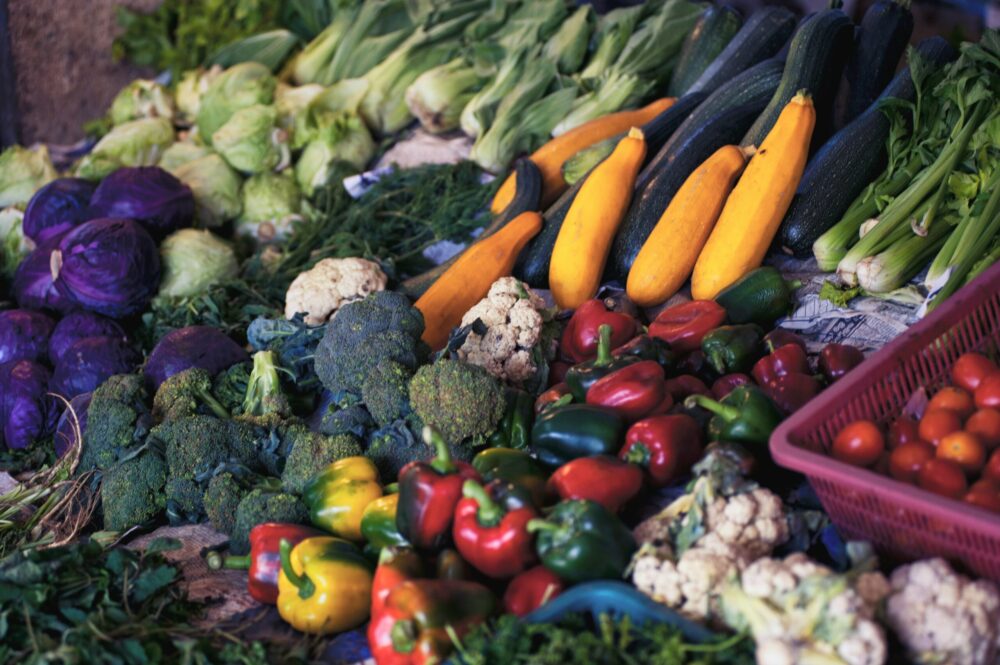
Consuming a diet rich in soluble fiber, from sources such as oats, beans, and certain fruits, can promote healthy cholesterol levels and overall cardiovascular health.
Regulates blood sugar levels
Dietary fiber, especially soluble fiber, plays a crucial role in regulating blood sugar levels by slowing its absorption. This can help prevent rapid spikes in blood glucose and reduce the risk of developing type 2 diabetes.
Including fiber-rich foods in the diet can be especially beneficial for people at risk of diabetes, as it helps to keep blood sugar levels stable and supports overall metabolic health.
recommended daily consumption
The recommended daily intake of dietary fiber varies depending on factors such as age, sex, and individual health needs. However, as a general rule, adult men should aim to consume around 38 grams of fiber per day, while adult women should aim for about 25 grams.
It is important to gradually increase fiber intake and stay well hydrated to support the digestive system, especially when introducing dietary changes that incorporate higher fiber foods.
Sources of dietary fiber
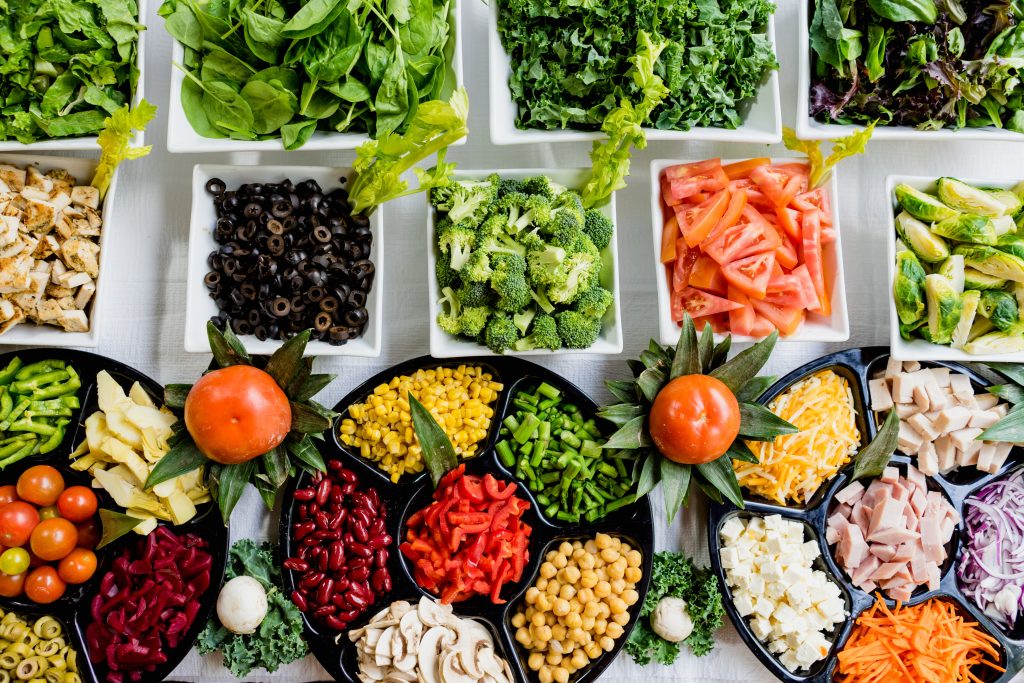
Dietary fiber is found in a wide variety of foods , making it easy to incorporate into your daily diet. Fruits and vegetables are excellent sources of both soluble and insoluble fiber and can be consumed in various forms, such as fresh, frozen, or dried.
Whole grains, including whole grain bread, cereals, and brown rice, are also high in fiber and can be easily added to meals and snacks.
Legumes, such as beans, lentils, and peas, are not only rich in fiber, but are also a great source of plant-based protein.
In addition, nuts and seeds are rich in fiber and can be sprinkled on yogurt or incorporated into homemade energy bars to boost their nutritional value.
Fruits and vegetables
Fruits and vegetables are not only packed with vitamins, essential minerals, and other micronutrients , but they are also an important source of dietary fiber. Options such as apples, pears, berries, broccoli, carrots, and Brussels sprouts are known for their high fiber content and can be easily incorporated into a variety of meals and snacks.
Source of dietary fiber
Whole grains, including oats, brown rice, barley, and quinoa, are rich in both soluble and insoluble fiber. Choosing whole-grain products over refined ones can increase your daily fiber intake and support digestive health.
Legumes and nuts
Legumes, such as various types of beans, lentils, and chickpeas, are an excellent source of dietary fiber and can be used in salads, soups, or as a main dish. Nuts and seeds, such as almonds, chia seeds, and flax seeds, are not only rich in fiber but also provide healthy fats and other essential nutrients.

Dietary fiber and its preventative action
Prevention is key to leading a healthy lifestyle, as it helps reduce the risk of obesity, disease, and disability.
One of the most effective lifestyle habits for prevention is the consumption of dietary fiber: 10 benefits in 1 is an essential supplement that will improve your digestion while strengthening muscles and controlling appetite.
Dietary fiber , with 10 benefits in 1, is an excellent way to maintain health and prevent lifestyle-related diseases such as obesity.
Prevention is key, and it starts with understanding how our dietary choices affect our bodies.
Combining this fiber with a healthy eating plan, strengthening muscles through exercise following a fitness program , and avoiding a sedentary lifestyle are essential components for preventing obesity.
Fiber helps achieve these goals by providing essential nutrients, while also creating a feeling of fullness that can help control calorie intake.
The 10 beneficial types of fiber in 10-in-1 dietary fiber work together to provide optimal digestion and absorption, so you can get the most out of your meals. This powerful combination will help you reach your long-term health goals with less effort!
Value analysis
The Professor's Perspective:
The fundamental value is interconnectivity . Dr. Delgado explains that these 10 functions are not isolated; for example, satiety control helps prevent obesity, which, in turn, reduces the pressure on inguinal hernia repair. It's a circular defense system.
Academic Rigor:
The difference lies in the hierarchy. As an expert, the patient is taught not to see the fiber as a "magic powder," but as a lifestyle change that directly impacts the longevity of the surgical results.
Conclusion
In terms of achieving our essential goals, understanding the importance of fiber and incorporating it into our daily diet offers numerous benefits for our overall health. By including a variety of fiber sources, such as fruits, vegetables, whole grains, and legumes, we can improve digestion, manage weight, and reduce the risk of chronic diseases.
It is recommended to aim for a daily fiber intake that meets individual needs and consult a healthcare professional if necessary. Make fiber a key component of your diet and reap its numerous benefits.
It is important to show solidarity by sharing preventative information about dietary fiber on social media, so that family, friends, and more people can benefit from it and not fall victim to misinformation or complications.
Thank you for leaving your comment and suggestions for the blog. Warm regards, and see you next time!
Dr. Jorge Delgado, Surgeon. The 10-in-1 dietary fiber.
📌 Recommended reading: The Internal Regulator
📌 Recommended reading: Reinforcing the concept
📌 Recommended reading: The Traffic Engine