

Welcome to this highly specialized space for digestive surgery, emergency anatomy, and medical education. Stump appendicitis is a rare but extremely serious clinical condition that occurs when the remaining appendiceal tissue left over from previous surgery becomes obstructed and inflamed.
As a specialist surgeon and university lecturer, I know that the main danger of this pathology lies not only in its biological evolution, but also in the delay in its diagnosis due to the false belief that the appendix no longer exists.
Before breaking down why a stump larger than a few millimeters represents an underlying mechanical failure, what the warning signs are that mimic classic appendicitis, or how our state-of-the-art protocol intervenes using advanced laparoscopy, I invite you to understand that initial surgical precision is the key to prevention.
Under the academic direction of Dr. Jorge Delgado, we analyze complex complications with the utmost scientific rigor that your health demands. This condition arises when the amputated appendix is not treated correctly, and failure to diagnose it can lead to inflammation of the stump.
Common questions
What exactly is stump appendicitis and why does it happen?
It is the inflammation of residual appendiceal tissue left after a previous appendectomy (whether open or laparoscopic). It occurs when the initial surgeon leaves an excessively long stump (usually longer than 3 or 5 millimeters).
This remnant undergoes the same classic pathophysiological process: it becomes obstructed by a fecalith, intraluminal pressure increases, bacteria proliferate, and infection is triggered.
What are the symptoms if I supposedly already had my appendix removed?
The symptoms are identical to those of conventional appendicitis: progressive pain that starts around the navel and is firmly located in the right iliac fossa (lower right part of the abdomen), accompanied by nausea, vomiting, loss of appetite, and low-grade fever.
If you present with these symptoms, your previous surgical history does not rule out this emergency.
Why is it considered such a dangerous complication?
Because diagnosis is often alarmingly delayed. Both the patient and the primary medical staff tend to assume that the pain is due to another cause (such as adhesions, bands, or urinary problems).
This delay dramatically increases the rate of perforation, abscess formation, and generalized peritonitis.
How does Dr. Delgado resolve this situation in the operating room?
The procedure requires an advanced laparoscopic approach and extensive experience. The main objective is to carefully dissect any existing adhesions, identify the true base of the cecum, completely and radically excise the inflamed stump, and invert the remaining tissue if technically feasible.
We strongly remind our students that the operating room is the place to resolve complications; meticulous technique in the first surgery is true prevention.
This article explores the causes, symptoms, and treatment options of this lesser-known complication. From the sudden onset of pain in the lower right abdomen to the potential complications that can arise if left untreated, we explore the signs and symptoms associated with this condition.
In addition, we discussed the diagnostic methods used by health professionals to identify residual stump appendicitis and the recommended treatment options, including the commonly practiced appendectomy.
In turn, we provide information "written by people, for people" about the recovery process and offer knowledge about the risk factors associated with this condition.
Stay tuned to learn more about stump appendicitis and gain a comprehensive understanding of this often overlooked condition.
Stump appendicitis
Stump appendicitis is a condition that can occur after an appendectomy and affects the remaining appendix. Although its incidence is relatively low, it is important to be aware of its symptoms, which include sharp abdominal pain in the lower right region, accompanied by fever and general malaise.
Complications can range from infections to abscesses, underscoring the need for timely diagnosis and treatment. With increased awareness of this condition, health enthusiasts and the general public can be better informed and better prepared.
Stump appendicitis
Irritation of the appendiceal stump is a rare condition that can occur months or even years after an incomplete appendectomy. It is caused by residual appendiceal inflammation and infection that persists after the initial surgery.
This medical condition often causes symptoms similar to those of acute appendicitis, such as abdominal pain, nausea, and vomiting. It is important to be aware of the risk factors associated with residual appendicitis and to identify the signs and manifestations for early diagnosis and appropriate management.
Those who have previously undergone a laparoscopic appendectomy are more likely to experience stump irritation, due to the technical difficulty in ensuring complete appendiceal removal.
Recognizing signs and symptoms, such as abdominal pain localized to the lower right quadrant, fever, loss of appetite, and increased sensitivity at the site of the previous appendectomy , is essential for early diagnosis.
Diagnosing this condition can be complex due to its rarity and the possible overlap of symptoms with other conditions that must be analyzed by the surgical team that performed the previous appendectomy.
However, healthcare professionals can use a thorough medical history , a comprehensive physical examination, blood tests, and imaging studies to establish a definitive diagnosis. The presence of stump or residual appendicitis can confirm the diagnosis of appendiceal stump inflammation.
Once diagnosed, timely therapy is necessary to prevent complications and alleviate discomfort. It is important to recognize the unique nature of this condition and its potential complications to ensure appropriate management.
With prompt and appropriate treatment, people can experience relief from ailments and prevent further serious intestinal complications.
⚠️ IMPORTANT NOTE:
This content is for informational purposes only. For medical advice or diagnosis, consult a healthcare professional in your area.
Factors riesgo
The development of residual stump appendicitis is strongly influenced by several risk factors. Delayed or missed diagnosis of appendicitis in patients who have previously undergone appendectomy is a significant factor, as it can allow the condition to progress and lead to serious complications.
Therefore, early recognition and treatment of this condition are critical to preventing inflammation of the residual stump.
In addition, certain symptoms should be taken seriously, as they could indicate the presence of stump appendicitis. These may include sudden pain in the lower right abdomen , as well as vomiting, abdominal pain, and general malaise.
Ignoring or misinterpreting these signs could result in a late diagnosis and an increased risk of developing stump appendicitis.
In turn, certain factors can increase the likelihood of developing stump irritation. These include previous abdominal surgeries , especially those involving appendectomy, as well as a history of abdominal infections or conditions that cause chronic inflammation in the abdomen.
Identifying these risk variables can help healthcare professionals determine the risk of stump appendicitis and implement appropriate preventive measures.
Signos there sintomas
Direct pain in the lower right side of the abdomen, increased sensitivity to digital pressure (positive Blumberg sign) , nausea, vomiting, loss of appetite, and other discomforts are key indicators of stump appendicitis.
These symptoms can manifest differently depending on a person's age and may be mistaken for other health problems. Therefore, it is important to be aware of the signs and seek urgent medical attention if they persist or worsen.
Early diagnosis and therapy are crucial to avoid complications and ensure a successful recovery.
In addition to pain and tenderness, other signs may indicate stump appendicitis. These can include low-grade fever, abdominal bloating, changes in bowel movements, increased urinary frequency, or difficulty passing gas.
It is advisable to be aware of these potential indicators and consult a local healthcare professional if any of them appear. Timely diagnosis and treatment are essential to avoid further complications and achieve a positive outcome.
In stump appendicitis in men, recognizing the signs and symptoms is essential for early detection and appropriate care.
A delayed response can lead to serious complications, such as rupture of the appendiceal stump due to edema , so it is important to pay attention to your body and seek early medical attention if any of these signs appear.
Only a healthcare professional, through the public or private healthcare system, can provide an accurate diagnosis and determine the best course of action. By being proactive and attentive , a successful outcome and a positive impact on postoperative recovery can be ensured.
Discovery
Accurate diagnosis of stump inflammation is crucial for successful treatment. To this end, physicians must evaluate the patient's medical history, symptoms, and physical examination findings.
Risk factors , such as a history of appendicitis or ongoing inflammatory conditions, as well as the patient's age, can help narrow down the possible causes of the symptoms.
During the physical examination, the doctor will check for tenderness, stiffness, and rebound tenderness or a positive Blumberg maneuver in the abdomen and may also perform a rectal examination.
Apart from the physical examination, imaging studies , such as ultrasound or computed tomography scans, can be used to visualize the appendix and detect signs of inflammation or obstruction.

This preventative information, along with the patient's description of their symptoms, can help confirm the diagnosis. In some cases, a diagnostic laparoscopy may be performed to directly observe the inflamed appendiceal stump and confirm the diagnosis.
Diagnosing acute stump appendicitis requires a comprehensive approach. Careful consideration of several factors, such as the patient's medical history, symptoms, and physical examination findings, is necessary to ensure an accurate and timely diagnosis.
Imaging studies and, in some cases, diagnostic laparoscopy can provide additional information and confirm the diagnosis. Accurate and timely diagnosis of acute stump appendicitis is essential to ensure appropriate treatment and prevent complications.
The diagnostic process requires careful patient assessment , including evaluation of risk factors and imaging studies, and may include diagnostic laparoscopy.
Through this comprehensive approach, physicians can make an accurate and timely diagnosis and provide the best possible care to the patient.
Treatment
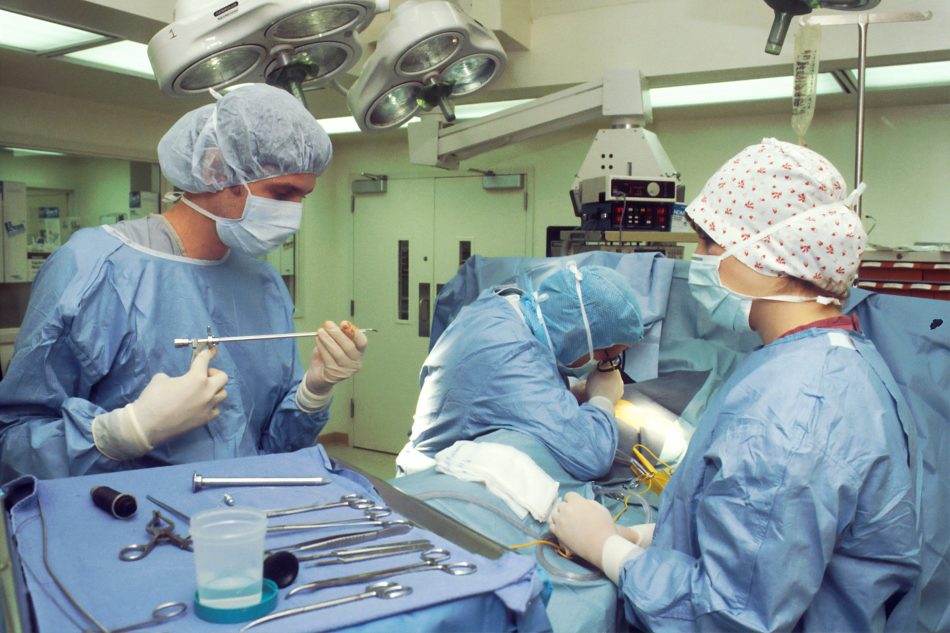
Early surgical intervention is the most widely used and effective approach to relieve symptoms and prevent further digestive tract complications resulting from stump inflammation.
A residual appendectomy is performed under general anesthesia, which involves a small incision in the lower right abdomen to remove the remaining inflamed appendiceal stump . This approach allows for a faster recovery and reduces the risk of systemic infection in the abdominal cavity.

They also typically prescribe antibiotics to reduce the risk of infection. After the procedure, it is essential to follow the postoperative instructions from the healthcare team to ensure optimal healing and minimize the risk of further complications.
Regular follow-up visits are also important to ensure that recovery is on track and that any concerns are addressed in a timely and appropriate manner.
In some cases, additional treatment may be necessary if stump appendicitis is related to other underlying conditions. This could involve a more extensive surgical procedure or the use of specialized techniques to treat the condition.
The specific action plan will be determined based on the individual's unique circumstances and the advice of the medical professionals involved.
Therefore, it is important to ensure open communication with the healthcare team to understand all available options and make informed decisions, which is the best strategy in personal health matters.
Recovery from stump appendicitis can vary from person to person. While some people may progress without major difficulties, others may require more time and support.
Following the post-operative care instructions given by the healthcare team is essential and may include pain management, following dietary guidelines, and limiting physical activity.
Rest and nutrition are key factors for a successful recovery, so it's important to ensure they are prioritized. It's also important to monitor for any signs of complications, such as prolonged fever, worsening pain, or increased swelling.
Regular follow-up appointments with the healthcare team ensure that the recovery process progresses as expected and that any potential problems can be addressed promptly.
Recovery
The recovery process after a residual appendectomy due to inflammation of the appendiceal stump requires patience and dedication . During the first few days after surgery, patients may experience limited movement and some pain or discomfort.
However, as the body heals, people will regain their strength and be able to resume their normal activities.
To ensure a smooth and successful recovery, it is essential to give the body the rest and care it needs. A balanced diet, rich in fluids, fiber, and nutrients, supports the healing process.
Light exercise, accompanied by deep breathing as recommended by a healthcare provider, helps improve circulation and prevent possible complications, such as blood clots in the bloodstream and respiratory system.
Attending all follow-up appointments is important, and any additional instructions from the medical team should be followed closely.
Taking proper care of yourself and following the guidelines set by the healthcare team are essential for an early and favorable recovery from residual stump appendicitis.
Recovering from an appendectomy is a key step in the overall treatment process. It is important to follow the post-operative instructions provided by the medical team to ensure a successful recovery.
During this time, patients may experience pain or discomfort at the surgical site, which can be controlled with prescription pain medication.
Monitoring the incision for signs of infection, such as redness, swelling, or drainage, is essential. If any concerns arise, it is important to contact your healthcare provider immediately.
To achieve a full recovery from stump swelling , people should properly care for the incision site, follow a healthy diet, and get enough rest.
Therefore, strenuous activity and heavy lifting should be avoided during the first few weeks of recovery. With proper care and attention, patients can expect a successful recovery from appendicitis of the appendiceal stump.
Value analysis
Management of the Surgical Mechanical Factor:
The key aspect here is the physics of the anatomical remnant . Dr. Delgado adds value by connecting the surgical technique with the long-term biological risk. He explains that leaving dead space at the appendiceal base creates a potential chamber for mechanical obstruction and changes the perspective on how to perform clean and safe surgery from the first attempt.
Academic Vision:
The key difference lies in overcoming diagnostic bias . As a professor with extensive experience, I teach that in cutting-edge medicine, surgical history is a guide, but the patient's clinical presentation is paramount. Dispelling the myth that "appendicitis doesn't recur" provides both the patient and the medical community with an early warning system, reducing the margin of error and serious complications.
Conclusion
Finally, among the essential points, stump appendicitis is a rare but potentially serious condition that can occur after an appendectomy . It is characterized by inflammation or infection of the remaining portion of the appendiceal stump.
Although the exact reasons are not fully understood, it is believed to be related to incomplete removal of the appendix during appendectomy.
Risk factors, such as obesity, smoking, and a history of previous abdominal surgeries, can increase the likelihood of developing this condition.
Recognizing the signs and symptoms, such as stomach pain, fever, and nausea, is crucial for early diagnosis and prompt therapy.
Medical professionals use various diagnostic tests, including imaging studies and blood tests, to confirm the presence of stump appendicitis.
Treatment typically involves surgical removal of the remaining appendiceal stump , along with antibiotics to control infection. With appropriate medical intervention and adherence to postoperative care, most people recover well from this condition.
It is important to keep in mind the "written by people, for people" principle regarding how early detection and timely treatment play a significant role in ensuring a successful recovery.
Therefore, if you experience persistent abdominal pain or any concerning symptoms after an appendectomy , do not hesitate to consult your healthcare provider to rule out the possibility of residual stump appendicitis.
Thank you for sharing this news on social media for the benefit of others; this way, knowledge for personal development multiplies, and a proactive approach to potential complications is fostered. Don't forget to leave a comment on the informative blog about digestive health. Until next time!
Dr. Jorge Delgado, Surgeon. Digestive Health.
📌 Recommended readings:
👨⚕️ The ideal resection technique to avoid long remnants
👨⚕️ Analyze the progression of the inflammatory and necrotic process in any appendiceal tissue
👨⚕️ The general clinical framework in which the perforation of an inflamed stump fits