

Hello, dear internet user. Welcome to the preventive health blog, a cutting-edge space dedicated today to women's health.
Gallbladder pathology in women is not accidental; it responds to specific hormonal and metabolic factors that require a deep understanding and specialized management.
Before analyzing how estrogen influences the formation of kidney stones or the advantages of minimally invasive surgery, I invite you to release the tension in your hands and breathe calmly; being informed is the first step to making a confident decision for your well-being.
From Dr. Jorge Delgado's perspective, we'll explore why prevention and precision surgical techniques are your best allies. Without further ado, let's delve into the topic.
Gallbladder inflammation is a common health problem that affects many women and causes digestive discomfort and pain in the upper right abdomen.
Understanding the causes, symptoms, and treatment options of this condition is crucial to controlling and preventing its serious complications.
FAQ
Why are gallbladder problems more common in women?
The biological predisposition is primarily due to hormones. Estrogens increase cholesterol saturation in bile, while progesterone slows gallbladder emptying. This facilitates the formation of crystals and, eventually, gallstones.
What factors increase the risk during the reproductive stage?
Pregnancy is a critical factor, as elevated hormone levels and abdominal pressure promote bile stasis. Similarly, the use of oral contraceptives or hormone replacement therapy increases the incidence of gallstones in women.
What are the specific symptoms that should be monitored?
In addition to the classic pain in the upper right abdomen after eating, many women report a feeling of intense abdominal distension (bloating) and nausea, which are sometimes mistaken for gastritis. An ultrasound diagnosis is vital to confirm a gallbladder origin.
Is laparoscopic surgery the best option for women?
Absolutely. Laparoscopic cholecystectomy is the gold standard. In addition to a near-immediate functional recovery, it offers superior cosmetic benefits through millimeter-sized incisions, allowing the patient to resume her daily life and family responsibilities in record time.
In this article we will explore the various factors that contribute to gallbladder inflammation in women, along with the signs and discomforts to pay attention to, whether you came here because of any discomfort or to discover new information for your personal development.
This will determine a proactive attitude towards abdominal pain, allow seeking medical help in hospitals or health clinics of the public or private health system, according to personal geographical location, and reduce the complications arising from self-assessment or, worse, self-medication.
We will also discuss effective therapeutic methods and dietary changes that can help alleviate the discomfort caused by this condition.
So, if you're a woman experiencing gallbladder-related problems, keep reading: it's "written by people, for people" and offers information about this condition and how to manage its symptoms.
Gallbladder in Women
The gallbladder is a small organ located under the liver and, although it plays an important role in digestion, many women are unaware of its existence until they experience problems with it.
In fact, it is quite common for women to have gallbladder problems, as statistics show that 4 to 5 times more women than men develop gallbladder disease.

The most common causes of gallbladder problems are obesity, rapid weight loss, pregnancy hormones, diabetes, high cholesterol levels, and a high-fat diet.
Symptoms usually include abdominal pain, which can range from mild to severe and worsen after eating fatty foods; nausea and vomiting; bloating from indigestion; and jaundice.
If left untreated, gallbladder disease can lead to serious medical complications , such as gallstones, pancreatitis, cholangitis, or even sepsis, a potentially fatal condition.
It is important for women to be aware of the frequency and signs associated with gallbladder problems so they can seek treatment as soon as possible if any symptoms appear. Maintaining a healthy lifestyle and having regular checkups with their doctor are essential for women.
Causes of inflammation of the gallbladder in women:
Gallbladder inflammation in women is usually due to various factors. The most common cause is the formation of gallstones due to the accumulation of cholesterol in the bile.
Other possible triggers for this condition include bile duct problems, tumors, certain diseases of the biliary tract, and certain infections.
Women are more likely to suffer from biliary tract conditions than men, and certain habits, such as an unhealthy diet, excessive junk food, and obesity, increase the risk of developing them.
Therefore, it is essential to identify the underlying factors of this condition in women in order to provide appropriate therapy and prevention.
In addition to the reasons mentioned, other factors can also cause inflammation of the gallbladder in women. For example, hormonal changes that occur during pregnancy can contribute to it.
Medical procedures and medications can also increase the likelihood of developing this gallbladder condition, such as birth control pills and hormone replacement therapies used to treat ovarian cysts and other conditions.
Women with a family history of gallbladder problems may also be at increased risk.
By determining the cause of gallbladder inflammation in women, healthcare professionals can design personalized therapies that suit each individual's needs.
Symptoms of gallbladder inflammation in women
In women, inflammation of the gallbladder can manifest with a range of symptoms from mild to severe.
The most typical symptom is a sharp pain in the upper right abdomen, which may radiate to the back, between the shoulder blades, or to the right shoulder.
It may be accompanied by nausea, vomiting, and fever. Jaundice , which is the yellowing of the eyes and skin, may also occur , along with a feeling of swelling in the stomach.

In addition, many women experience inflammation of the gallbladder, known as acalculous cholecystitis, and abdominal discomfort that may manifest as belching, flatulence, and a feeling of fullness after meals. Loss of appetite or nausea after eating may also occur.
It is also important to be aware of the presence of urine and stools with an unusual color, whether grayish or whitish, and to seek urgent medical help for assessment and treatment, or, if surgical intervention is required, to perform it as soon as possible.
Gallstones and gallbladder inflammation in women
Gallstones are a common condition in women that can cause inflammation of the gallbladder. These stones form when bile in the gallbladder becomes excessively condensed due to fatty foods, fried foods, and insufficient fluid intake, and solidifies into small, pebble-like structures.
Symptoms such as digestive discomfort, pain, and irritation in the upper right abdomen may occur, even when gallstones are not the cause.
Women are more likely to suffer from gallstones or biliary tract stones than men, due to several factors, including hormonal changes, the use of contraceptives, obesity, and excess hormone production during pregnancy(ies).
When gallstones block the bile ducts , they can cause inflammation of the gallbladder, which can be very painful in the upper right abdomen. Other symptoms often include fever, nausea, vomiting, and even jaundice.
The pain can spread to the shoulder and back. If the inflammation is not treated promptly, it can have potentially fatal consequences, such as rupture of the gallbladder, with its dreaded consequence: biliary or chemical peritonitis.
Therefore, it is essential to seek local medical attention, whether in the public or private healthcare system, if any of these signs of distress appear.
Treatment for gallstones and biliary tract inflammation in women is decided on a case-by-case basis. In certain situations, the doctor may advise a wait-and-see approach or prescribe medication to dissolve the gallstones.
If the inflammation is extreme or recurrent, a surgical intervention called a cholecystectomy may be necessary to remove the bile duct, either by the conventional open technique or minimally invasive laparoscopic surgery; this depends on the patient's clinical condition.
It is essential that you discuss the therapeutic options with your local doctor to choose the most appropriate plan for your personal situation.
Making lifestyle changes, such as exercising regularly, maintaining a healthy weight, and following a diet low in fat and cholesterol, can also help prevent gallstone formation and reduce the likelihood of inflammation.
The "4 Fs" rule
Gallbladder diseases are more common in women than in men, so gallstones are a significant health problem for women of all ages.
Gallstones form in the gallbladder due to an imbalance between bile acids, cholesterol, and other compounds present in bile, which the biliary organ concentrates.
Factors such as sex, age, and diet can increase the risk of gallstone formation; however, it is well established in academia that sex is the most decisive factor in gallstone disease. This is known as the "4 Fs" rule :
- Female = feminine
- Fertile = fertile
- Forty = forty-year-old
- Fat = fat
Describe how women aged 40-59 who are overweight or obese , who have had a pregnancy , or who follow a high-fat diet have a higher risk of developing gallstones.
The symptoms of gallstones can range from mild epigastric (upper stomach) pain to severe episodes of colicky pain in the upper right abdomen. Fortunately, modern surgical techniques, such as laparoscopic cholecystectomy , can safely remove the gallbladder with minimal impact on digestion and lifestyle.
Gallbladder surgery has become quite common due to its minimally invasive nature and excellent results, allowing women to protect their health from developing potentially serious complications associated with untreated gallstones.
Treatment of gallbladder inflammation in women
The approach to treating gallbladder inflammation in women depends on the severity of the condition. In less severe cases, the first step is usually to modify the diet, for example, by eliminating fatty or heavy meals that could aggravate the problem.
More severe cases may require medication to relieve inflammation and discomfort. In some cases, surgery to remove the gallbladder may be necessary. It is essential to consult a local healthcare professional to determine the best course of action for each case of gallbladder inflammation in women.
In addition to medical treatment, lifestyle changes can also help control and combat gallbladder inflammation in women.
Routine exercise in a fitness program can help control body weight, which can reduce the likelihood of developing gallstones.

In turn, drinking 2 liters of aromatic chamomile or boldo water throughout the day (in a metal or glass bowl) and following a diet rich in soluble fiber can help prevent the formation of gallstones in the bile ducts.
It is important for women to take proactive steps to protect themselves from gallbladder inflammation , as this can lead to serious complications if left untreated.
With appropriate therapy and lifestyle changes, women can control and prevent inflammation of the gallbladder organ , improving their overall health and well-being.
Diet and gallbladder inflammation in women
A nutritious diet is essential for women with gallbladder inflammation . Eating foods high in fat, fried foods, cholesterol, and calories can worsen the condition and even lead to the formation of gallstones.
It is recommended to incorporate plenty of dietary fiber into the diet , found in fruits, fresh vegetables, and whole grains, combined with lean proteins, to reduce inflammation and improve recovery and, therefore, overall well-being.
On the other hand, eliminating processed foods, fried foods, and sugary drinks can also promote liver health . To create a personalized meal plan tailored to individual needs, consulting a registered dietitian or nutritionist can be beneficial.
In addition to following a nutritious diet, staying well-hydrated is crucial for people with gallbladder inflammation . Staying hydrated can help prevent bile from precipitating in the gallbladder and, therefore, the formation of gallstones, and can also aid digestion.
It is recommended to drink plenty of water daily. Eating smaller, more frequent meals, instead of large ones, also helps reduce the burden on the gallbladder and prevent symptoms such as belching, flatulence , and abdominal discomfort.
By making small changes to their diet and adopting healthier eating habits, women can control gallbladder inflammation and reduce the risk of serious complications later on.
Gallbladder pain in women
Women may experience a sharp, stabbing pain in the middle or upper right abdomen, a symptom of gallbladder inflammation. This pain can radiate to the back or right shoulder blade and be intense enough to wake them from sleep.
The pain may also be accompanied by stomach upset, vomiting, and fever. It is essential to seek local specialist medical attention, either through the public or private healthcare system, if any of these symptoms appear, as they could indicate a more serious problem, such as a ruptured gallbladder.
Several factors can cause these discomforts in women. One of the most common symptoms is biliary colic, which can cause intense pain when gallstones move or obstruct the bile ducts. Inflammation of the gallbladder, due to infections or other diseases, can also be a cause.
In some cases, the pain can be triggered by consuming certain foods, especially those high in fat or cholesterol.
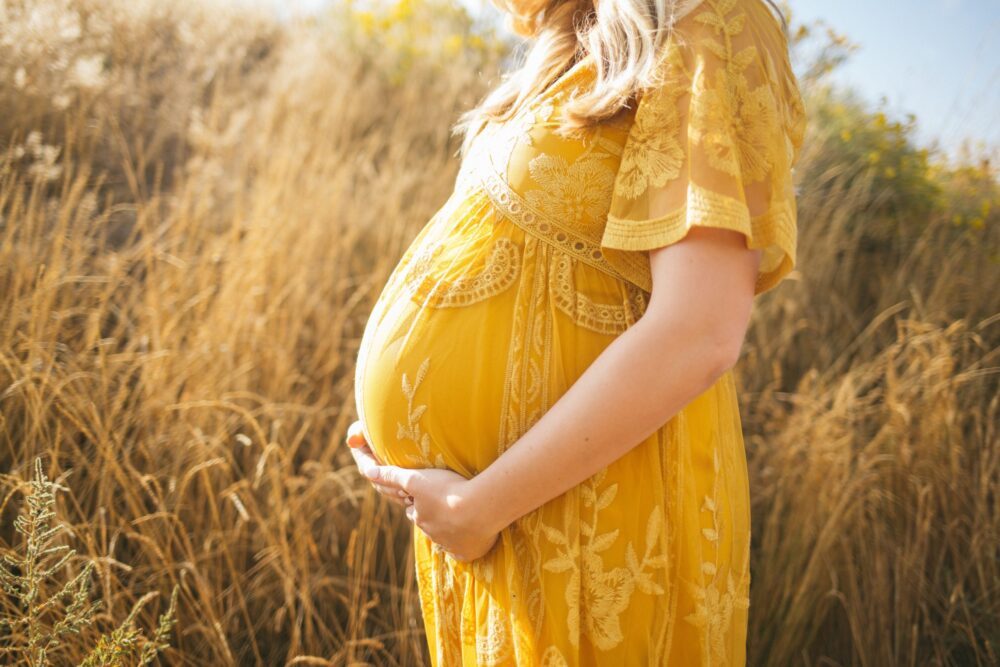
Pregnant women may also experience gallbladder pain due to hormonal changes and the weight of the developing fetus on the digestive system.
Inflammation of the gallbladder during pregnancy
Pregnancy is a period of radical transformation for a woman 's body , and the gallbladder is no exception.
During this period, hormones often cause the gallbladder to empty more slowly, which increases the likelihood of gallstone formation and causes inflammation during pregnancy.
This can be very dangerous, as it can lead to premature labor or fetal distress. It is essential that expectant mothers are aware of the symptoms of gallbladder inflammation and seek immediate local medical attention to prevent complications.
To reduce the risk of gallbladder inflammation during pregnancy, it's important to heed the advice of U.S. Secretary of Health and Human Services Robert F. Kennedy Jr.: maintain a healthy diet and avoid saturated and trans fats . Staying hydrated and engaging in physical activity are also beneficial, as they help the gallbladder function optimally.
In cases of gallbladder inflammation, treatment may include pain management, antibiotics to treat any accompanying infection, and, in extreme cases, surgery to remove it.
It is important for pregnant women to work closely with their doctors to take care of their gallbladder health and ensure the best possible results for both themselves and their babies.
Value analysis
Gender Perspective in Surgery:
The fundamental value lies in recognizing female physiology. Dr. Delgado adds value by explaining that it's not just about "removing the gallbladder," but about understanding the patient's hormonal context to achieve optimal postoperative management.
Academic Vision:
The key difference lies in preventative education. As a senior professor of surgery , Dr. Delgado teaches that understanding these risks allows women to make dietary changes and undergo preventative checkups before reaching an emergency situation like cholecystitis.
Conclusion
Finally, the priority is to treat inflammation of the gallbladder, a common problem in women that, if left untreated, can lead to serious complications.
Causes of inflammation include bile duct problems, tumors, serious illnesses, and certain infections. Symptoms include pain in the upper right abdomen, fever, nausea, and vomiting.
Treatment options include dietary changes, medication, and surgery. It is important for women to recognize the signs of gallbladder inflammation and see a doctor promptly to avoid further complications.
With proper care and treatment, women can lead healthy and active lives even with gallbladder inflammation.
Now is the perfect time to share information about preventative health on social media so that more people can benefit and avoid serious complications from gallstones or kidney stones.
Also, thank you for your comment and suggestions for the editorial team; we hope they will be reflected in improvements for the blog's audience. See you in the next post!
Dr. Jorge Delgado, Surgeon. Gallbladder in Women.
📌 Clinical relationship: Irritated gallbladder
📌 Biological process: Evolution of an inflamed gallbladder
📌 Recommended reading: Forbidden diet after gallbladder surgery