

Welcome, dear internet user. You are in a health space designed "by people for people ." An infected gallbladder (cholecystitis) is not just abdominal pain; it is a warning signal your body sends that requires immediate medical attention.
Before we delve deeper, I invite you to pause and take four deep breaths; proper oxygenation helps the brain stay calm during medical decision-making.
Join us to understand why Dr. Delgado's expert intervention is key to preventing complications and restoring your well-being.
There are several factors, such as the presence of gallstones, inflammation, and infections, that can cause complications in the gallbladder and lead to an infected gallbladder.
An infected gallbladder is often a painful and potentially dangerous condition if left untreated.
Now is the time to share this information on social media so that more people can stay informed.
Frequently Asked Questions – Acute Cholecystitis
What are the symptoms of an infected gallbladder?
Intense pain in the right side of the abdomen, fever, nausea, and extreme sensitivity to touch are clear signs that the infection is present.
Can it be cured with antibiotics alone?
Antibiotics help control the infection temporarily, but if there are stones blocking the gallbladder, the infection will return. Surgery is the only permanent solution.
What happens if an infected gallbladder is not operated on?
The risk is high: the gallbladder can rupture (perforation), causing peritonitis, or a liver abscess can form, both of which are life-threatening.
What is the recovery like after emergency surgery?
Thanks to the laparoscopic technique applied by the surgeons, even in cases of infection, most patients can return home within 24-48 hours and resume light activities within a week.
In this comprehensive guide to infected gallbladder, we will explore the causes, symptoms, diagnosis, treatment options, complications, and methods of prevention of this condition, providing you with the knowledge you need to manage and prevent it.
Now, with a proactive attitude to confront the bad intentions of self-esteem or self-medication, two negative actions that prolong the help of the medical professional of hospitals or health clinics, local or of the city, through the public or private health network, and not be a statistic of complications.
Let's get more of this exciting new feature!
Infected gallbladder
Infected gallbladders are relatively rare due to our body's strong defenses, but there are certain situations in which infections can occur.
The frequency of gallbladder infections is difficult to quantify, as patients are treated for underlying causes of the infection, such as inflammation or diabetes.
Most experts agree that the most common cause of an infected gallbladder is gallstones , which occur when bile accumulates in the organ and hardens, forming deposits.
Other symptoms may include jaundice, abdominal pain on the right side or between the shoulder blades, fever, chills, and nausea.
Complications of a gallbladder infection can include rupture or perforation of the organ, which requires immediate medical attention.
In severe cases of infection, sepsis can occur, a life-threatening condition caused by bacteria entering the bloodstream.
If you suspect you have an infected gallbladder, it is important to see your local doctor as soon as possible.
Cholecystitis , or gallbladder infection , is a condition that occurs when the organ becomes swollen and inflamed as a result of an infection.
The gallbladder , located below the liver, has the function of storing, concentrating and releasing bile, a yellowish-green digestive fluid that helps to break down fats in the small intestine.
When bacteria or gallstones obstruct the flow of bile, inflammation and pain often result. Understanding the causes and symptoms of acute cholecystitis is essential for receiving prompt and timely local medical care and preventing serious digestive complications.
Gallstones are the most common cause of gallbladder infection. These hard, stone-like deposits form in the organ and block the normal flow of bile into the common bile duct, duodenum, and eventually the small intestine.
Injuries to the gallbladder or bile ducts, the presence of tumors, or a weakened immune system are other possible sources of infection. Understanding the causes can aid in prevention and early detection.
The symptoms of cholecystitis can be severe, including moderate to severe pain in the upper right or central abdomen, fever, nausea, vomiting, and loss of appetite. The pain may even radiate to the back or right shoulder blade.
In addition, jaundice (yellowing of the skin and eyes, accompanied by itching) may be present. Recognizing these signs is key to receiving prompt and timely treatment from your local public or private healthcare provider.
The diagnosis of cholecystitis usually includes blood tests to assess inflammation or infection by detecting an increase in white blood cells, evaluating liver and kidney function, and performing a basic urine test.
Also among the strategies are complementary imaging tests, such as ultrasound or computed tomography; thus, receiving an adequate diagnosis is crucial for the success of the treatment and to avoid possible complications.
The cause is an infected gallbladder.
A variety of factors can lead to a biliary viscus infection, but one of the most common is obstruction of the bile ducts.
This obstruction can be caused by gallstones, which are calcified deposits of bile that form in the gallbladder. When these stones become lodged in the bile ducts, they can lead to a gallbladder infection.
Another common cause of an infected gallbladder is cholecystitis, an inflammation of the gallbladder. This inflammation can be due to various causes, such as infections, blockages, and damage to the gallbladder.
When the gallbladder is inflamed , it can become more prone to infection and become an infected gallbladder.
Nutrition and lifestyle choices can also contribute to the development of an infected gallbladder. Consuming a diet high in fat and low in fiber can increase the risk of forming gallstones and, therefore, of gallbladder infection.
In addition, smoking tobacco, excessive alcohol consumption, and a sedentary lifestyle and being overweight increase the risk of developing an infected gallbladder.
Symptoms of an infected gallbladder
Pain in the upper right quadrant of the abdomen is a common symptom of an infected gallbladder . This discomfort can range from mild to severe and can be constant or occur in waves.
In addition, the area may be tender or swollen. If you experience prolonged or severe abdominal pain, it is important to seek medical attention.
Fever is another sign of a possible infection. It's your body's way of fighting infection and shouldn't be ignored. If you have a fever along with abdominal pain or other telltale signs, it's essential to get checked out.
Nausea and vomiting are two other potential symptoms of gallbladder problems . They can be caused by inflammation, an infected organ, or problems in the bile ducts, and may be accompanied by abdominal discomfort, fever, or jaundice. If you experience these symptoms, it is essential to seek medical help immediately.
Jaundice is a yellowing of the skin and eyes caused by the accumulation of bilirubin in the body.
Bilirubin is a byproduct of the breakdown of red blood cells and can build up if the bile ducts are blocked. If you experience jaundice, along with abdominal pain and fever, it's important to seek medical attention.
Diagnosis of an infected gallbladder
For effective treatment, it is vital to diagnose a contaminated gallbladder. If you experience symptoms such as abdominal pain, fever, or jaundice, you should seek medical attention immediately. Your doctor will begin with a physical examination, looking for tenderness or swelling in your abdomen.
In addition, blood tests may be ordered to check for signs of infection, inflammation, or liver damage, in order to determine whether your symptoms are due to an infected gallbladder or another condition. A urinalysis may also be performed.
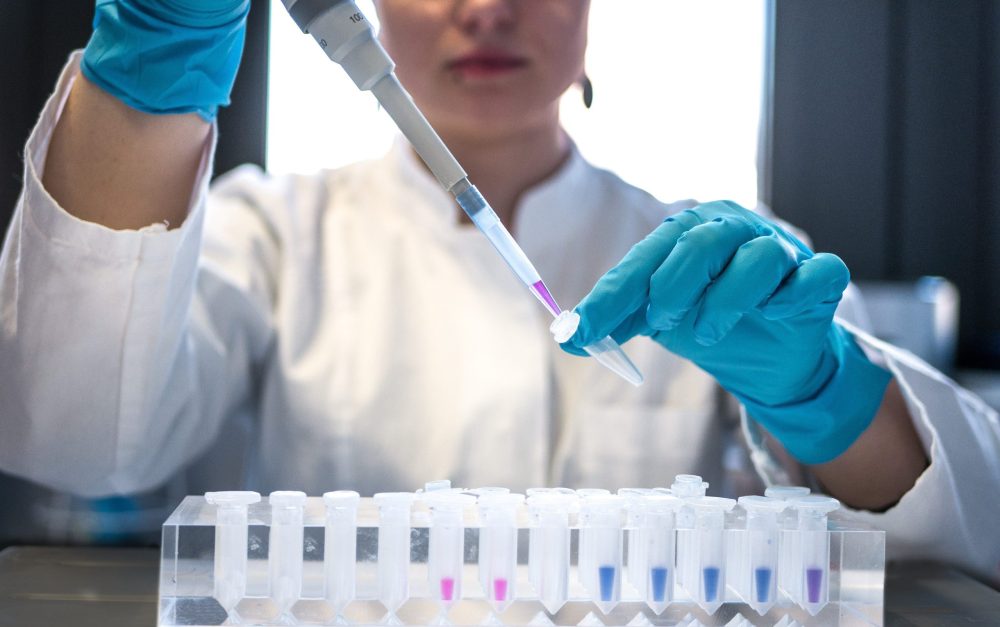
To confirm the diagnosis of an infected gallbladder, the following are usually necessary:
The most common imaging tests are ultrasound and endoscopic ultrasound. Ultrasound uses high-frequency sound waves to generate images of the gallbladder and surrounding organs.
Endoscopic ultrasound is a more advanced imaging technique that combines ultrasound with an endoscope, a small, flexible tube with a miniature camera at its tip. This allows for more detailed images of the gallbladder and surrounding tissues, making it easier for the doctor to detect any abnormalities.
Other imaging tests that can be used to diagnose an infected gallbladder include computed tomography (CT) and magnetic resonance imaging (MRI). These provide millimeter-scale reconstructed images that allow us to see fine details of structures, such as, in this case, the biliary system.
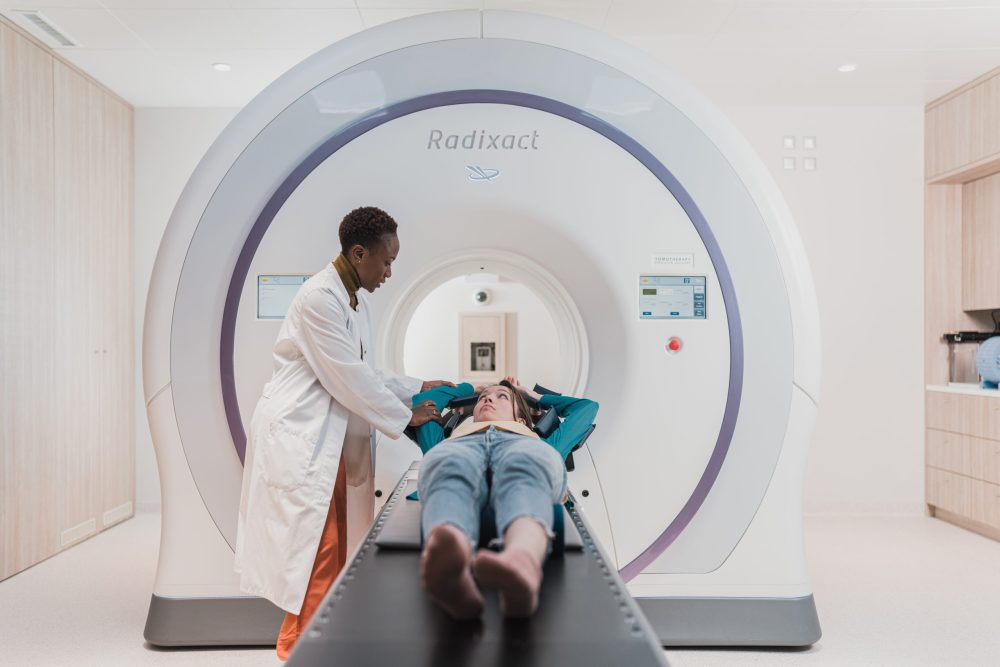
These tests use advanced technology to create detailed images of the inside of the body, allowing your doctor to identify any damage or abnormality in the gallbladder or surrounding tissues.
- In some cases, your doctor may also recommend a cholangiogram.
- This test involves injecting a dye into the bile ducts to visualize any obstruction or abnormality.
- This test is usually performed during a procedure known as ERCP or endoscopic retrograde cholangiopancreatography.
- During this procedure, an endoscope is inserted through the mouth into the small intestine, allowing your doctor to examine the intestines in greater detail. bile ducts and gallbladder bile.
Differential diagnosis
An infected gallbladder, also known as cholecystitis, is a condition that occurs when the gallbladder becomes inflamed and infected due to an obstruction, either from gallstones or a tumor.
It is important to recognize this medical problem immediately and receive treatment right away to prevent possible complications, such as rupture of the gallbladder, peritonitis, or sepsis, which can be fatal.
To determine whether cholecystitis is indeed the cause of the patient's symptoms, a differential diagnosis must be performed.
The physician must consider a wide variety of factors, including age, medical history, current medications, potential risk factors, imaging studies, and laboratory findings, to arrive at a comprehensive and accurate diagnosis.
An infected gallbladder can be a serious health problem, but timely recognition and prompt treatment can help ensure a better outcome for patients.
There is a rare disease, such as acalculous thin-walled gallbladder, with similar symptoms, which should be considered in the differential diagnosis.
From inflammation to infection
Once a gallbladder becomes infected, the infection can rapidly progress to gangrene or perforation. From inflammation to infection, it is a medical emergency requiring immediate attention.
Time is of the essence when treating an infected gallbladder; if left untreated, the patient's health could be compromised by the spread of bacteria and other complications. Cutting-edge approaches are being developed and implemented to provide rapid and effective treatment for patients with gallbladder infections.
With innovative techniques such as laparoscopic cholecystectomy , surgeons now have the possibility of removing the gallbladder through a minimal incision and with the least possible disruption to the body.
With the combination of modern technology and qualified professionals (surgeons and anesthesiologists), we offer hopeful solutions to those facing this delicate situation.
Dr. Delgado emphasizes the fundamental importance of early laparoscopic surgery, within the first 72 hours, to reduce the risk of sepsis and allow for a much faster recovery than with the traditional method of waiting for the inflammation to subside.
Sepsis is a serious and potentially life-threatening bacterial infection that can spread rapidly if not treated promptly.
By emphasizing early laparoscopic surgery as an effective way to reduce the risk of sepsis, Dr. Delgado helps many patients receive better care and experience faster recoveries than previously thought possible.
Early laparoscopic surgery is a major advance in medical practice that could minimize inflammation and prevent infection before it starts.
Treatment of an infected gallbladder
When dealing with an infected gallbladder , the treatment strategy will vary depending on the severity of the infection and the patient's overall health. In some cases, antibiotics may be recommended to fight the infection and reduce inflammation. Pain relievers may also be prescribed to alleviate discomfort.
However, if the infection is severe, emergency surgery to remove the gallbladder may be necessary.
This is known as a cholecystectomy and is usually performed laparoscopically, which involves small incisions and a shorter recovery time than open surgery.
In addition to medical treatment, lifestyle adjustments may be recommended to prevent further infections.
This may include abstaining from fatty or spicy foods that may cause symptoms , maintaining a healthy weight, and staying well hydrated (drink at least 2 liters of aromatic water of chamomile, boldo, or mint throughout the day; important: a metal or glass thermos).
It is also essential to meticulously follow all post-operative instructions, including taking prescribed medications as directed, avoiding strenuous activities or lifting heavy objects, and attending follow-up appointments with the healthcare professional to ensure that recovery is progressing as planned.
With medical or surgical treatment and proper care, most patients with an infected bile duct can make a full recovery and avoid future complications.
Complications of an infected gallbladder
A contaminated biliary organ can lead to serious problems that, if not treated promptly, can be life-threatening. One of the most frequent complications is the formation of an abscess (a collection of pus) that can occur in the gallbladder or surrounding tissues.
Symptoms include fever, chills, and severe pain, and sometimes require surgical drainage or even removal of the gallbladder.
Another possible complication is that the infection can spread to other parts of the body, such as the liver or bloodstream, which can lead to sepsis, a critical problem that can cause organ failure and death.
Therefore, it is essential to recognize the signs of an infected gallbladder and receive immediate medical treatment to avoid these dangers.
Other complications of the gallbladder include gallstones, which can obstruct the bile ducts and induce jaundice, a condition in which the skin and eyes turn yellow.
In addition, it can cause inflammation of the pancreas, a gland responsible for producing enzymes and hormones that regulate blood glucose.
This is called pancreatitis and can cause severe abdominal pain, nausea and vomiting, and may require hospitalization for treatment.
Therefore, it is extremely important to seek medical attention if you experience symptoms of an infected gallbladder, as early treatment can help prevent serious complications.
We will now address several questions that doctors often ask patients or their families during consultations, such as in emergency rooms:
Preventing an infected gallbladder
To avoid the discomfort and pain associated with the gallbladder , it's vital to take preventative measures. A good starting point is reducing your consumption of fatty foods, which can increase the likelihood of developing gallstones.
Instead, adopt a diet rich in fiber , fruits, and vegetables to maintain a healthy digestive system. Additionally, staying hydrated by drinking enough water can help prevent gallstone formation and reduce the risk of infection.
Another preventative measure is to maintain a healthy weight through regular exercise, such as walking, jogging, cycling, or following a fitness program, ideally with a certified instructor and a nutritious diet.
Obesity is a major risk factor for gallstones, which can lead to gallbladder infection.
Therefore, staying active and maintaining a healthy weight usually reduces the risk of developing gallstones and other biliary tract conditions.

Finally, for those with a family history of gallbladder problems , it is crucial to be proactive in prevention.
Regular check-ups with a doctor can help detect any potential problems early, allowing for timely intervention and preventing them from becoming infected.
Furthermore, at the first sign of gallbladder disease , such as burping, bloating, or abdominal pain, medical attention should be sought immediately to avoid major complications.
An infected gallbladder is a challenge you shouldn't face alone. Science and surgical expertise are your best allies. If you or a loved one experiences these symptoms, don't delay consulting a specialist.
Conclusion
Finally, regarding the most important point: once an infected blister comes into contact with the skin, it can cause considerable discomfort and pain in those affected.
It is important to understand the causes , symptoms, and available treatment options to address the disease effectively. Early diagnosis and treatment can help prevent complications and improve the overall outcome.
With proper care and attention, people can take steps to prevent the onset of an infected gallbladder and maintain good digestive health.
Remember to always consult a local healthcare professional at hospitals or health clinics for personalized medical advice and treatment options.
Thank you for your comment and suggestions regarding digestive topics to be covered in the preventive health blog. Until next time, and best wishes!
Dr. Jorge Delgado, Surgeon. Infected Gallbladder.
📌 Recommended readings: