

Welcome, dear internet user, to this highly specialized space for general surgery, digestive surgery, laparoscopic approach and preventive health.
Understanding the clinical evolution and particularities of the appendix in women is one of the most crucial pillars of emergency medicine, since appendiceal inflammation is often masked or confused with various syndromes of the female reproductive system.
As a specialist surgeon and full professor of surgery at the University of Cuenca, my commitment is to provide you with a clear and rigorous conceptual map that allows you to identify your body's warning signs in time and avoid critical diagnostic delays.
Before breaking down the geography of pain in the iliac fossa, analyzing the main gynecological diagnoses that mimic this condition, or explaining how our protocol intervenes with advanced minimally invasive laparoscopic techniques, I invite you to seek certainty in the scientific evidence.
Under the academic direction of Dr. Jorge Delgado, we address your well-being with the teaching and surgical rigor that your life demands.
Appendicitis is a painful disease that can affect both men and women, but did you know that women are more likely to suffer from it?
Below we answer the questions that patients or their companions usually ask doctors during consultations or in hospital emergency rooms:
Frequently Asked Questions
Why is it more difficult to diagnose appendicitis in women?
Unlike in men, the lower right abdomen in women contains a very dense anatomical crossroads. Right next to the cecum and appendix are located the right ovary, the fallopian tube, and the uterus.
Any mechanical, inflammatory, or hemorrhagic alteration of these pelvic organs can produce pain identical to that of acute appendicitis, which challenges the clinical eye of the specialist.
What gynecological conditions are commonly confused with appendicitis?
The differential diagnosis requires ruling out entities such as pelvic inflammatory disease (PID), rupture or torsion of an ovarian cyst, endometriosis and, very critically, an ectopic pregnancy.
This symptomatic overlap is the reason why a superficial medical evaluation represents a serious biological danger (infertility) for the patient.
How can you distinguish the symptoms of appendicitis from a reproductive problem?
Although the final pain coincides in the lower right quadrant, classic appendicitis usually follows Murphy's timeline: it starts diffusely around the navel and then migrates and settles in the lower right quadrant.
Additionally, it is strongly associated with digestive signs such as nausea, early vomiting, and a total and sudden loss of appetite (anorexia), elements that are less frequent in purely gynecological crises.
What is the ideal approach when faced with persistent diagnostic uncertainty?
When ultrasound images do not clarify the source of the pain, diagnostic and therapeutic laparoscopy is the cutting-edge approach of choice. This technique allows for the inspection of both the appendix and the uterine adnexa with a millimeter lens, resolving the problem in the same surgical procedure with minimal tissue damage.
As we consistently teach in the classrooms of the Faculty of Medicine at the University of Cuenca, the operating room is not the place for primary prevention; it is the space for resolving complications. Early detection is the true cornerstone of prevention.
In this comprehensive article on preventative health, we will cover everything you need to know about appendicitis in women, including symptoms, diagnosis, and currently available treatments in your local area.
Whether you're a woman concerned about your health or simply want to learn more about this disease for your personal development, this will help you adopt a proactive approach and resist the temptation of self-examination or, worse, self-medication . Here you'll find all the information you need.
So sit back, have a cup of dark chocolate diluted with water, combined with the sweet flavor of cranberries and their powerful, 100% natural neurostimulant effects, which promote better cognitive concentration and the retention of new information, leading to a proactive attitude. Therefore, let's delve together into the world of appendicitis in women.
The appendix in women.
The appendix in women has become a topic of medical interest due to its supposedly high incidence in statistics.
Appendicitis is the inflammation of the vermiform appendix and is slightly more common in men than in women. The lifetime risk of appendicitis in women is approximately 6.7%, compared to 8.6% in men.
Although this organ is small and largely forgotten, it can cause very real health problems for women if it is not properly monitored and treated.
To understand the issue, it helps to know the main causes, symptoms, and complications of appendix problems in women.
The most common causes range from appendicitis and gastrointestinal infections to Crohn's disease and other inflammatory conditions.
Typical symptoms include abdominal pain, general malaise, nausea and vomiting, low-grade fever (body temperature between 37°C and 38°C), and loss of appetite. If left untreated, serious complications can include ruptured appendix, peritonitis, or abscesses that may require surgery.
By staying informed about the topic of appendicitis in women and understanding the potential risks associated with it, women can better manage their health and recognize when medical intervention is necessary.
Appendicitis
Appendicitis is a very common illness, especially in women. It is a condition that causes painful inflammation of the appendix, a thin organ located in the lower right abdomen.
This small organ, attached to the large intestine, has no known function in the body for some; however, recent studies have highlighted the importance of the appendix as a source of beneficial bacteria that support the immune system.
Appendicitis can affect anyone, although it is most common in people between the ages of 10 and 30. Treatment is important, and medical attention should be sought immediately to avoid further complications.
If you or someone you know may be suffering from the dreaded disease called appendicitis, you should seek medical attention immediately in the public or private health system to avoid serious complications.
The cause of appendicitis is unknown, but many factors can contribute. It may be due to blockages caused by hard stools, foreign objects (parasites, seeds), or by cancer or infections of the digestive tract.
Hereditary factors may also play a role. Common symptoms of this disease include abdominal pain, nausea, vomiting, and fever.
If any of these symptoms occur , it is vital to seek medical attention as soon as possible in hospitals or health clinics, either through the local public or private health system.
Remember that early treatment is crucial for a successful recovery from appendicitis. Stay informed by reading our newsletter about appendicitis in women.
The cause of appendicitis in women
Appendicitis is a global health problem that affects the appendix in women. Although anyone can develop this condition, certain factors can increase the risk in women.
One of the main causes of appendicitis is an obstruction of the appendix, which can be due to various factors, such as hardened stool, tumors, or infections. In some cases, an invading element can also cause the obstruction. This obstruction stops the normal flow of fluids through the lumen of the appendix, leading to inflammation and infection.
Genetics is another factor that can increase a woman's chances of developing appendicitis. Women with a family history of the disease are more likely to develop it.
In addition, chronic inflammatory bowel conditions, such as Crohn's disease or ulcerative colitis, may increase the risk of appendicitis in women. Therefore, it is important to be aware of these risk factors and take steps to prevent the disease from developing or worsening.
If you think you may have appendicitis, it's vital that you seek medical attention immediately. Prompt diagnosis and treatment can prevent complications and ensure a successful recovery.
Your doctor may perform several diagnostic tests to determine if you have appendicitis, such as taking a thorough medical history, performing a complete physical examination of the abdominal cavity, conducting blood tests, and performing imaging studies, such as ultrasounds or CT scans.
These diagnostic tests can help identify the source of your symptoms and determine the most effective treatment plan for you.
Symptoms of appendicitis in women
Appendicitis is a medical condition that can affect both women and men , although symptoms may vary between the sexes. Women may have difficulty diagnosing appendicitis because its symptoms can be similar to those of other conditions.
Abdominal pain, which may start near the navel and move to the lower right side of the abdomen, is one of the most common signs of appendicitis in women.

In some cases, the pain may be located on the left side of the abdomen, especially in pregnant women . Other signs of the condition include nausea, vomiting, fever, and loss of appetite.
It's important to keep in mind that not all of these symptoms may be present in every individual. Therefore, it's crucial to consult a healthcare professional if appendicitis is suspected, to rule out other conditions affecting the right side of the abdomen. In women, the presence of the right ovaries and fallopian tubes is a reason for accurate and timely diagnosis.
Prompt diagnosis and treatment are essential for a successful recovery from appendicitis. A healthcare professional can perform a physical examination and blood tests to check for signs of infection.
Imaging tests, such as CT scans and ultrasounds, can also be used to make a diagnosis. Delaying diagnosis and treatment can lead to serious complications, such as a ruptured appendix or infection, which can be life-threatening.
Therefore, it is important to seek medical help as soon as possible if appendicitis is suspected. With early diagnosis and treatment, the chances of recovery increase considerably.
Diagnosis of appendicitis in women
Diagnosing appendicitis in women can be challenging, as its symptoms can be similar to those of other abdominal conditions. To begin, the doctor will perform a physical examination to assess for increased tenderness or pain in the lower right abdomen.
If tenderness is detected in this area, appendicitis may be suspected. However, this tenderness can be a sign of other problems, such as ovarian cysts, large fibroids, or pelvic inflammatory disease.
To confirm a diagnosis of appendicitis in women, additional diagnostic tests may be performed. One common method is ultrasound, which uses high-frequency sound waves to create images of the abdomen.
This can help detect any inflammation or swelling in the appendix. A CT scan, which produces detailed images down to the millimeter, as well as X-rays, may then be ordered to assess whether the appendix is inflamed or if there is any fluid or an abscess in the lower right abdomen.
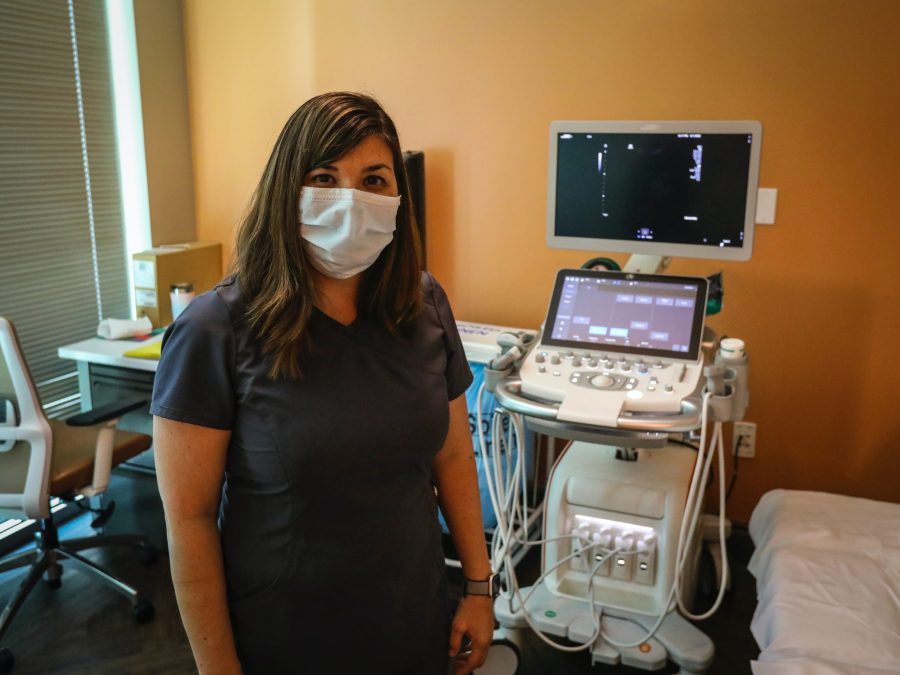
In some cases, a blood test is ordered to check for signs of infection or inflammation. An elevated white blood cell count could suggest an infection in the body, such as appendicitis , although it could also be a sign of other illnesses.
Ultimately, diagnosing appendicitis in women requires a combination of physical examination and diagnostic testing to ensure an accurate diagnosis and optimal subsequent treatment.
Differential diagnosis
The appendix is a small organ located in the lower right abdomen that often goes unnoticed. Women, in particular, require special consideration in the differential diagnosis of appendicitis.
To correctly identify any appendix problem, doctors must be able to differentiate between common diagnoses specific to women, such as ovarian cysts, pelvic inflammatory disease, urinary tract infections, and endometriosis.
We must use appropriate imaging techniques and laboratory analysis to accurately identify the cause of any pain, remembering that hormones and certain lifestyle factors can influence a woman's comfort level in that area.
During the physical examination, physicians must also pay special attention to symptoms indicative of appendicitis, such as tenderness in the lower right quadrant, nausea, vomiting, transient diarrhea, or increased abdominal pain after moving from a sitting to a lying position.
Differential diagnosis is also of great importance to avoid unnecessary surgeries, which can be especially worrying for women who are already at risk of certain reproductive health problems.
The appendix is an important organ for women, and medical professionals must be quite cautious in the differential diagnosis when evaluating their health.
Symptomatic overlap is evident when analyzing the scientific evidence. To illustrate this with academic precision, the following medical reference chart summarizes the critical gynecological and clinical conditions that constitute mandatory exclusion criteria in adult patients:
- Acute cholecystitis
- Perforation of the peptic ulcer
- Intestinal obstruction
- Acute pancreatitis
- Renal colic
- Diverticular disease
- Non-specific abdominal pain
Girl's
- Non-specific abdominal pain
- Mesenteric adenitis
- Intussusception
- Urinary tract infection
- Hernia
- Respiratory infection
Elderly women
- Colorectal carcinoma
- Vascular disease
- Medical causes
adult woman
- Pelvic inflammatory disease (PID)
- Urinary tract infection
- Ectopic pregnancy
- Twisted ovarian cyst
👉 Differential diagnosis of acute appendicitis in adults. Source: ResearchGate
As you can see in the visual classification, pelvic pathologies in women constitute the most important group to rule out when an acute abdomen is suspected. Analyzing this diagnostic spectrum helps to understand why pain should not be normalized or alleviated with home analgesics before a formal examination by a specialist.
Treatment of appendicitis in women
When discussing the treatment of appendicitis in women, several options are available depending on the severity. Generally, surgery is the most appropriate solution for removing an inflamed appendix; this procedure is known as an appendectomy.
This procedure can be performed through conventional open surgery or laparoscopic techniques , the latter being minimally invasive and resulting in shorter recovery times. However, it is important to consult a doctor to determine the best option for your specific case.
After a successful appendectomy, it is essential to follow the postoperative care instructions. This may include taking prescribed pain medication, avoiding strenuous activity, and keeping the incision site clean and dry.
In addition, your doctor may suggest a specific diet to promote healing . Attending follow-up appointments with your doctor is also important to monitor your progress and ensure a proper recovery.
In some cases, antibiotics can be used to treat mild appendicitis; however, this is not always effective and may require surgery in the future.
Therefore, regarding appendicitis in women, it is essential to obtain reliable medical information and follow all of the doctor's instructions. For awareness purposes, self-medication with antibiotics should be avoided.
What to expect after appendicitis treatment in women
After appendicitis treatment, it's normal for women to experience a recovery period. The length of this recovery can depend on the severity of the condition and the type of care received.
After the procedure, you may experience abdominal pain and discomfort , but these can usually be managed with medication and rest. It is essential to follow your doctor's instructions regarding postoperative care, which may include limited physical activity, a special diet, and regular check-ups.
During this period, it is crucial to monitor for any signs of complications, such as fever, persistent pain, or drainage at the incision site. If any of these symptoms appear, contact your local doctor immediately.
Preventing future appendicitis is also important and can be achieved by maintaining a healthy diet, staying hydrated, and avoiding activities that may cause abdominal damage.
The recovery period can be emotionally challenging, with possible feelings of distress, fatigue, and frustration. It is crucial to emphasize self-care, such as getting adequate rest, practicing relaxation techniques, and receiving support from family and friends. With sufficient time and attention, most women can make a full recovery and resume their normal activities.
Persistent or severe abdominal pain, along with other symptoms such as vomiting or diarrhea, should be reported to a doctor immediately. These could be signs of infection or a complication , and further treatment may be necessary. By paying close attention and following the doctor's instructions, a woman can recover successfully from appendicitis.
Prevention of appendicitis in women
Maintaining a healthy lifestyle is key to preventing appendicitis in women. Following a diet high in water, fiber, and low in fat, engaging in regular physical activity, and maintaining good hygiene are essential measures to reduce the risk of developing this disease.
In turn, regarding appendicitis in women, abstaining from smoking and minimizing alcohol consumption helps strengthen the immune system and protect against digestive infections.
To further reduce the chances of developing appendicitis, it's advisable for women to be proactive about their appendix health . Undergoing regular medical checkups can help detect potential problems, such as blockages in the lower rectum, before they worsen.
By staying informed and taking preventative measures, you can safeguard your long-term well-being.

Appendicitis can be a painful and dangerous illness. Therefore, taking steps to prevent it is vital for women to maintain optimal health.
Through mindful eating, physical exercise, and good hygiene practices , women can significantly reduce their risk of developing this disease.
In addition, undergoing regular medical check-ups can help identify any digestive tract problems at early stages and ensure optimal health.
Drinking 2 liters of aromatic water, such as chamomile, boldo, mint, or dandelion root, throughout the day helps improve bowel movements and prevents dehydration of the stool and hard stools, which can obstruct the appendix and trigger irritation, thus initiating the irreversible process of appendicitis in women.
Prevention is a lifestyle choice that can help keep the appendix healthy, especially in the case of women, who may be more prone to problems such as appendicitis due to hormones and other factors.
Prevention begins with a healthy diet rich in dietary fiber and exercise, such as running, swimming, cycling, or following a fitness program . Avoiding obesity and maintaining a healthy weight are key factors in preserving health and preventing appendicitis.
Eating well, free of processed and genetically modified foods, to strengthen abdominal muscles is especially important, as is avoiding a sedentary lifestyle so that the body does not have problems digesting food.
With these small steps, women can ensure that their appendix, even though it is hidden, continues to function properly.
Value analysis
Managing the Anatomical Crossroads:
Dr. Delgado brings an undeniable differentiating value by transforming a simple list of symptoms into a manual of biological self-defense for women.
Explain in detail that pain responds to shared nerve stimuli and that masking it with antispasmodics hides processes of tissue ischemia (cell death due to lack of blood flow), which gives the reader a superior preventive criterion that eradicates dangerous self-medication.
Academic and Professorial Vision:
The differential diagnosis is consolidated through the pedagogy of informed suspicion . As professors in the surgery department at the University of Cuenca, we teach that, in women of childbearing age, all lower abdominal pain is gynecological until proven otherwise, and appendicular until completely ruled out.
Bringing this rigor to teaching articles drjorgedelgadocirujano.com It raises the standard of health marketing towards a global, transparent, and ethical community service.
Conclusion
Finally, the most important point: appendicitis is a serious medical condition that affects both women and men . Knowing the symptoms and seeking immediate medical attention is crucial for a successful diagnosis and treatment of appendicitis in women. Surgery is the most common treatment for appendicitis, but other options may be available depending on the individual case.
It's important to follow your doctor's instructions and take care of yourself after treatment to ensure a full recovery. Finally, maintaining a healthy lifestyle and avoiding risky behaviors can help prevent appendicitis and other health problems.
We are in the area of solidarity and it is appropriate to share, through social networks, preventive health information about appendicitis in women, and together ensure that families, friends and more people have the correct information about the discomfort, recognize it for evaluation and avoid serious complications.
Thank you for leaving your comment and suggestions on the digestive health blog. Warm regards, and see you next time!
Remember to always consult a healthcare professional if you have any concerns about your health!
Dr. Jorge Delgado, Surgeon. The appendix in women.
📌 Recommended readings:
🩺 So that the reader understands the pathophysiological and mechanical evolution of the organ.
🩺 Epidemiological and behavioral counterpart to contrast clinical management according to gender.