

Warm greetings and welcome to this highly specialized space for general surgery, abdominal wall reconstruction, surgical anatomy, and preventive health.
Understanding the severity of an inguinal-scrotal hernia requires analyzing the behavior of the hernial sac when abdominal organs are massively displaced into the scrotum.
As a specialist surgeon and full professor at the University of Cuenca, our priority is to offer you a medical guide of the highest rigor, teaching that the progressive growth of this hernia not only alters the quality of life and gait of the patient, but also drastically increases the risk of incarceration, intestinal strangulation and loss of viability of the intestinal segment.
Before deconstructing the preoperative preparation for reintroducing the viscera without tissue failure, analyzing the maneuvers to prevent post-surgical testicular atrophy, or explaining how our cutting-edge protocol addresses modified Lichtenstein hernioplasty with scrotoplasty, I invite you to seek certainty in the scientific evidence.
Under the academic direction of Dr. Jorge Delgado, we evaluate your health with the utmost clinical rigor. Now let's get straight to the point: hernias are a common medical problem that can affect both men and women.
One type of hernia that can occur is the inguinal-scrotal hernia, which happens when a portion of an intra-abdominal organ protrudes and manifests as a visible bulge in the groin or scrotum.
It is appropriate to answer the questions that patients or their relatives ask us during the consultation or in the hospital emergency rooms.
FAQ
What is a scrotal inguinal hernia and how does it differ from a common inguinal hernia?
It is an advanced indirect inguinal hernia in which the hernial sac has passed beyond the pubic region and descended completely into the scrotum, deforming it and increasing its volume.
Unlike the common inguinal hernia (located in the groin), the inguinoscrotal hernia contains large volumes of intestine or omentum permanently housed in the scrotal sac.
What is the phenomenon of "loss of abdominal domicile" and why is it dangerous?
This occurs when more than 15-20% of the abdominal viscera remain in the scrotum for months or years. The abdominal cavity's capacity to accommodate these organs is reduced. If the surgeon suddenly reintroduces the organs into the abdomen during surgery without prior preparation, abdominal compartment syndrome develops, with elevation of the diaphragm, lung collapse, and acute respiratory failure.
What are the characteristic symptoms of this type of giant hernia?
Large scrotal mass or lump, painless at rest but heavy and uncomfortable when walking or standing.
Difficulty urinating or penis engulfment due to distension of the scrotal skin.
Intestinal transit disorders (constipation or intermittent colic).
Acute pain and sudden irreducibility if the hernia becomes incarcerated or strangulated.
What is the recommended surgical technique for repairing an inguinoscrotal hernia?
The treatment of choice is modified Lichtenstein open hernioplasty using large macroporous polypropylene meshes (10 x 15 cm or more) to reinforce the inguinal floor.
In giant hernias with loss of domain, a progressive preoperative pneumoperitoneum is performed (Goñi Moreno Technique) by injecting ambient air into the peritoneal cavity for 10 to 14 days to expand the abdominal wall before the intervention.
In this article, we will discuss the causes, symptoms, diagnosis, and treatment of this condition.
If you or a loved one experiences symptoms of a hernia, it's important to see a doctor to determine the best treatment; this is the "written by people, for people" suggestion to avoid serious complications.
Scrotal Inguinal Hernia.
An inguinal scrotal hernia is a medical condition that occurs when a portion of the small intestine or other abdominal tissue protrudes through a weakening of the abdominal wall in the inguinal region, affecting the scrotal sac.
This condition is more common in men and can be associated with symptoms such as pain, swelling, and discomfort.
It is crucial to seek appropriate medical attention, as untreated conditions can lead to serious complications. Prevention and timely treatment are essential for maintaining the patient's health and well-being.
Causes of inguinoscrotal hernia
There are several potential causes of scrotal inguinal hernia, and understanding these risk factors can help in the prevention and medical-surgical treatment of this condition.
One of the main causes is weakness in the abdominal wall muscles, which can be present from birth or develop later in life. This weakness can create an opening that allows a hernia to form.
In addition, factors that increase intra-abdominal pressure, such as lifting heavy objects, persistent coughing, or straining during bowel movements , can also contribute to the development of an inguinoscrotal hernia.
Men are especially susceptible to this type of hernia due to the presence of the inguinal canal, a passage through which the testicles descend into the scrotum during fetal development and which is considered a natural weak point in the abdominal wall.
Other risk factors for developing an inguinal-femoral hernia include being male, advanced age, and a family history of hernias. In some cases, previous surgical incisions in the abdominal area can also contribute to hernia formation.
It is important to consider these possible causes and risk factors in order to take appropriate measures and reduce the likelihood of developing an inguinoscrotal hernia, as well as its possible consequences and complications.
Signs and symptoms of inguinoscrotal hernia
The signs and manifestations of an inguinal scrotal hernia are usually quite distinct, making it relatively easy to recognize the condition.
One of the most noticeable symptoms is the presence of a lump in the groin or scrotum, which may become more evident when standing, straining, or coughing.
This protrusion represents the protrusion of tissue, or part of the intestine, through a weakened area of the abdominal wall.
People with an inguinoscrotal hernia may also experience a feeling of heaviness or dragging in the groin, as well as pain or discomfort in the affected area, especially during physical activity or exertion.
In some cases, an inguinoscrotal hernia may be asymptomatic , meaning it causes no discomfort or visible bulge, but continues to grow.
However, it is essential to be aware of any changes in the groin or scrotal area and to see your local or city doctor, depending on your geographical location, if you suspect a hernia.
Without prompt assessment and, if necessary, surgical intervention, there is a risk that the hernia will become incarcerated or strangulated , which can lead to serious complications.

Therefore, early recognition of symptoms and seeking medical advice through the public or private healthcare system are crucial for the effective treatment of inguinoscrotal hernias.
Lump in the groin or scrotum
One of the characteristic symptoms of an inguinoscrotal hernia is the presence of a bulge in the groin or scrotum.
This bulge, which may be more noticeable when standing, straining, or performing physical activities , represents the protrusion of tissue through a weakened abdominal wall.
It is essential to monitor for this bulge and see a doctor if you notice any changes in its size, consistency, or skin color. Timely evaluation and intervention can help prevent the hernia from progressing and causing complications.
In addition to the visible bulge, people with inguino-crural hernia may also experience heaviness, pulling, or fullness in the affected area.
This can be especially bothersome and can affect the individual's ability to perform certain activities.
Although the presence of a lump or these accompanying sensations may cause concern, it is important to remember that seeking appropriate medical attention is the most effective way to address the problem and prevent potential complications.
Understanding and being aware of these symptoms can help people with an inguinal or scrotal hernia take the necessary steps to manage the condition and prevent the development of complications.
With the right specialist medical guidance and, if necessary, surgical intervention, people can effectively deal with a hernia and minimize its impact on their health and well-being.
Pain or discomfort
Pain or discomfort in the groin or scrotal area are common symptoms of an inguinal or scrotal hernia. This pain can range from a dull ache to a sharp, intense sensation and may be aggravated by physical activity, exertion, or prolonged standing.
Understanding the nature of this pain and its possible relationship to the presence of a hernia is crucial in seeking appropriate medical attention and advice at hospitals or health clinics.
In some cases, the discomfort may also be accompanied by a feeling of pressure or weakness in the groin, especially when lifting heavy objects or performing activities that strain the abdominal muscles.
It is important not to ignore persistent or increasing pain in the groin or scrotal area, as it could be indicative of a developing or worsening inguinoscrotal hernia.
With timely medical evaluation, people can receive an accurate diagnosis and a personalized treatment plan to treat the hernia and relieve associated symptoms.
Regardless of whether the recommended approach is watchful waiting or surgical intervention , seeking medical attention to treat pain or discomfort related to a hernia is essential for long-term health and well-being.
⚠️ IMPORTANT NOTICE:
Please note that this information is for informational purposes only and should not be considered medical advice. It is always important to consult a healthcare professional in your area for a proper diagnosis and timely treatment plan.
Diagnosis of inguinoscrotal hernia
Diagnosing an inguinal or scrotal hernia usually involves a combination of physical examination and, in some cases, imaging tests to provide a detailed view of the affected area.
During the physical examination, the healthcare professional may carefully observe and palpate the groin, abdomen, and scrotal area to identify any noticeable lumps or abnormalities.
In some cases, the person may be asked to stand up, strain, or cough to help the healthcare professional detect the presence of a visible soft mass consistent with an inguinal hernia.
In addition to the physical examination, imaging tests, such as ultrasound or magnetic resonance imaging (MRI), may be used to obtain a more complete view of the hernia, especially if the diagnosis is not definitive based solely on the physical evaluation.
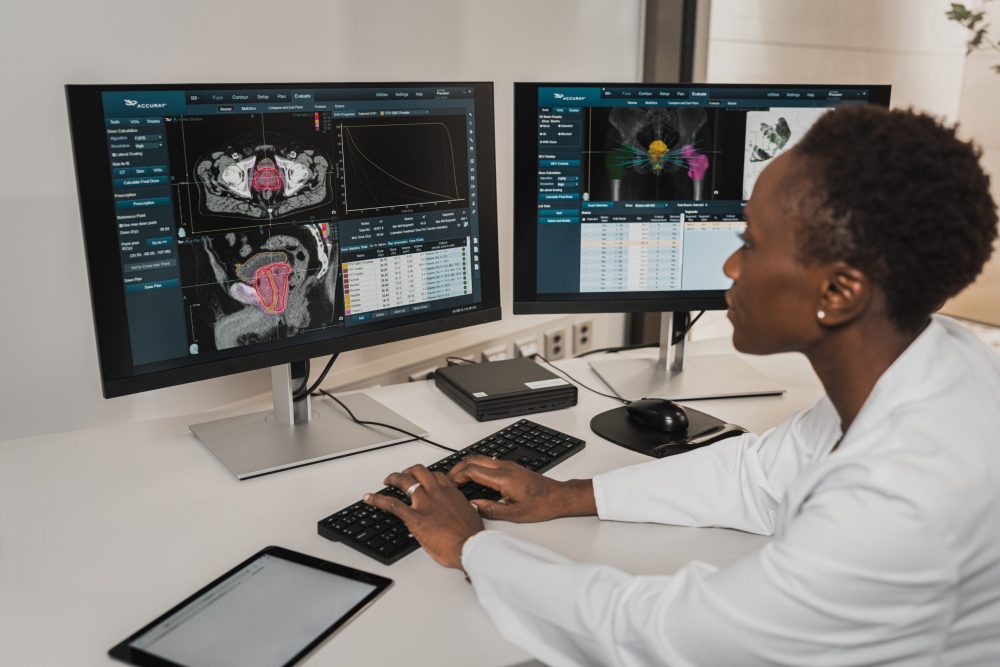
These imaging studies can help determine the size and extent of the hernia, as well as the specific structures involved, guiding the development of an appropriate treatment plan.
By accurately diagnosing an inguinoscrotal hernia, healthcare professionals can ensure that those affected receive the most effective and personalized care to treat their condition.
Physical exploration
A thorough physical examination is a key aspect of diagnosing an inguinoscrotal hernia. This evaluation may include careful inspection and palpation of the groin, abdomen, and scrotum to identify any abnormal bulges or unusual anatomical features.
The person may be asked to change position or perform specific movements, such as coughing or straining, like pushing down on the lower abdomen, to help facilitate the detection of a hernia.
Understanding the importance of this initial examination and actively participating in the process can contribute to an accurate and timely diagnosis of an inguinoscrotal hernia.
During the physical examination, the healthcare professional will also take into account the person's medical history, including previous hernias or abdominal surgical interventions, as well as the reported symptoms and the circumstances in which they are experienced.
This comprehensive physical examination is essential to formulate an appropriate diagnostic and treatment plan tailored to the individual's specific needs and circumstances.
imaging tests
In some cases, the healthcare professional may recommend imaging tests, such as ultrasound or MRI scans, to obtain detailed images of the groin, abdominal wall, and any suspected hernias.
These non-invasive studies can provide valuable information about the size, location, and characteristics of the hernia, allowing the healthcare professional to make well-informed decisions about the most appropriate therapeutic approach.
By cooperating with recommended imaging procedures and following the healthcare professional's instructions, individuals can actively participate in the diagnostic process and lay the foundation for effective treatment of inguinoscrotal hernia.
Understanding and recognizing the role of imaging tests in the diagnostic process can help people feel more informed and empowered to actively participate in their healthcare.
By gaining a thorough and accurate understanding of the nature of an inguinoscrotal hernia, individuals can work with their healthcare team to implement a targeted and effective treatment strategy, ultimately promoting the best possible outcomes for their health and well-being.
Treatment of inguinoscrotal hernia
The treatment of scrotal inguinal hernia is primarily aimed at addressing the protrusion of tissue and any associated complications, as well as reinforcing the weakened area of the abdominal wall with a piece of surgical mesh, a technique known as inguinal hernioplasty, to prevent recurrence of the hernia.
The most common approach to achieving these goals is hernia repair surgery, which can be performed using traditional open techniques or minimally invasive laparoscopic techniques.
The choice of surgical technique is usually based on the specific characteristics of the hernia, the individual's general health status at the time of consultation, whether the surgery is planned or emergency, and the surgeon's skill and preferences.
Hernia repair surgery , whether open or laparoscopic , involves returning the displaced tissue to its original position within the abdomen and strengthening the abdominal wall with a piece of surgical mesh to close the defect through which the hernia protruded.

This can be achieved by suturing to repair weakened tissue and/or by placing a support mesh to further reinforce the area.
By effectively addressing the hernia and strengthening the abdominal wall, this surgical intervention aims to minimize the risk of recurrence and alleviate associated symptoms.
Hernia repair surgery
Hernia repair surgery is the primary treatment for inguinoscrotal hernias and is designed to reduce the hernia and strengthen the abdominal wall to prevent recurrence.
In open surgery, the surgeon makes an incision near the hernia site and gently pushes the protruding tissue back into the abdomen. They then repair the weakened area and may apply a mesh for added support.
On the other hand, laparoscopic surgery involves making small incisions, through which specialized surgical instruments and a camera are introduced to guide the reduction and repair of the hernia, often with the placement of a mesh for added strength.
Both open and laparoscopic hernia repair methods have their own benefits and considerations, and the choice between the two is usually based on individual factors, the characteristics of the hernia, and the surgeon's recommendation.
By engaging in a thorough discussion with the healthcare team and actively participating in the treatment decision-making process, individuals with an inguinoscrotal hernia can play a vital role in determining the most appropriate approach to hernia repair and subsequent recovery, ultimately paving the way for an effective and sustainable outcome.
Following hernia repair surgery, individuals will be provided with detailed instructions on postoperative care to promote a satisfactory and uncomplicated recovery.
This may include guidance on wound care, restrictions on physical activity, and the gradual resumption of daily activities.
Following these instructions and attending scheduled follow-up appointments are essential to ensure that the surgical wound heals properly and that the outcome of the procedure is favorable.
With a well-structured and collaborative approach in the postoperative phase, individuals can optimize their recovery and minimize the risk of complications, ultimately paving the way for a satisfactory and sustainable resolution of the inguinoscrotal hernia.
Congratulations on taking the first step toward a more informed and proactive approach to your health. Being well-informed about hernias is essential, as it empowers you to make informed decisions about your health and well-being.
Please note that, although this information provides valuable insights, it does not replace a diagnosis or in-person professional medical advice, which is the best way to confirm the presence of the soft inguinal scrotal mass.
If you have any questions about hernias or specific medical conditions, it is crucial that you consult a qualified healthcare professional who can offer personalized guidance and care tailored to your individual needs.
Stay proactive, stay informed, and prioritize your health: it's your most valuable asset. Don't lose sight of this last thought, which truly makes us reflect on taking charge of our own health.
For optimal well-being, it's crucial to prioritize your health by staying informed and proactive. While this content offers valuable insights, it is not a substitute for a diagnosis or professional medical advice tailored to your specific geographic location.
If you have any questions about hernias or specific medical conditions, it is essential that you seek guidance from a qualified healthcare professional who can offer personalized care tailored to your individual needs.
Your active participation in your health, in collaboration with trusted medical professionals, can pave the way for more effective treatment and the best possible outcomes. Stay informed, stay proactive, and make your health a top priority.
Value analysis
The Distal Sac Abandonment Maneuver to Prevent Ischemic Orchitis:
Dr. Delgado brings a unique value of high surgical training to the management of giant hernial sacs.
It teaches that the attempt to dissect and completely remove the distal sac, intimately attached to the testicle and spermatic vessels, causes severe vascular trauma culminating in testicular ischemia, testicular atrophy, and dissecting scrotal hematoma.
The cutting-edge technical approach requires sectioning the sac at the level of the deep inguinal ring , ligating the proximal end and leaving the distal sac open and incised ( abandonment technique with eversion/fenestration ) to avoid secondary hydrocele.
Academic and Professorial Vision (Department of Surgery – University of Cuenca):
The differential is based on the Postoperative Management Measures of the Scrotal Bed . As a university professor, I teach residents and interns that repairing a giant inguinoscrotal hernia leaves considerable dead space in the scrotum.
To prevent complications, it is mandatory to use a closed Jackson-Pratt suction drain for 48-72 hours , keep the scrotum elevated with a testicular support or compression dressing ("Towne bridge") and initiate early ambulation.
Conclusion
In short, an inguinal hernia is a condition that can affect both men and women , and occurs when an organ or tissue protrudes from its normal position.
Common symptoms include a lump in the groin or scrotum, pain or discomfort, and difficulty with daily activities. The condition can be diagnosed through a physical exam and imaging tests, and treatment options may include surgery.
It's important to seek medical attention if you suspect you may have an inguinoscrotal hernia to prevent further complications. See you in the next post, and thanks for your comment on the digestive health blog!
Dr. Jorge Delgado, Surgeon. Inguinal and Scrotal Hernia.
📌 Recommended readings:
👉 Guide on tension-free mesh placement and backwall management.
👉 Comparative analysis on blockage, ischemia and emergency interventions.
👉 Lesson on abdominal wall reconstruction and Sublay techniques.