

Hello dear internet user and welcome to the informative blog on preventative health in the field of digestive surgery. The interesting thing about this topic is learning about the common bile duct, a vital part of the digestive system responsible for transporting bile from the liver to the small intestine. Understanding the structure and function of this duct is crucial for maintaining overall digestive health.
In this article, we'll provide you with everything you need to know about the common bile duct, including its disorders, diagnosis, and treatment. So, the topic is... "written by people, for people" If you want to learn about this important part of your body, keep reading! for your personal development.
This will encourage a proactive approach to gallbladder pain and encourage seeking medical help at hospitals or health clinics. sanitary system public or private, According to the personal global geographical position, and colleagues in the area collaborate in the care to reduce serious complications due to delays in care due to self-assessment or self-medication, which is the worst.
On the main biliary tract
The main bile duct, also known as the common bile duct The common bile duct is an important component of the digestive system, responsible for transporting bile from the gallbladder to the small intestine and can be the source of various health problems.
In terms of statistical frequency, problems with this duct are relatively rare; however, certain causes, such as the presence of gallstones or other stones, can cause obstruction accompanied by irritation, leaving sequelae such as inflammatory scarswhich can cause other serious complications.
Symptoms typically include abdominal pain, dyspepsia, jaundice, and vomiting. If left untreated, these problems can lead to serious consequences, such as infections and pancreatitis, both critical conditions.
The best way to avoid problems with the common bile duct is to maintain good health through a proper diet and exercise; if ailments appear, it is important to see a doctor immediately to reduce the risk of serious complications.
Fortunately, medical professionals are very aware of these risks and can offer a range of treatment options depending on the severity and nature of the problem.
General Information
The common bile duct of the digestive system is an essential component, transporting bile from the liver and the gallbladder up to the small intestine. It measures 8 to 10 cm in length and 6 mm in diameter and runs through the pancreas, connecting with the duodenum.
This channel is essential for the digestion of fats and the absorption of fat-soluble vitamins (A, D, E, and K). Therefore, a thorough understanding of the common bile duct is essential for identifying and treating any problems that may arise both within and outside the liver.
The common duct is an intricate system, working in conjunction with the liver and the gallbladderBile is produced by the liver, stored and concentrated in the gallbladder until it is needed it contracts, and then is released through the cystic duct to the common duct and subsequently to the small intestine.
Furthermore, the main biliary tract It is responsible for expelling waste products, such as bilirubin, which is a byproduct of the breakdown of red blood cells. Understanding the general information about the common bile duct is essential for maintaining a healthy digestive system and preventing potential complications.
Structure and function
El common bile duct It is a critical component of the digestive system, transporting bile from the liver to the gallbladder to the small intestine. It passes through the pancreas to join its duct millimeters before reaching its destination in the second portion of the duodenum.
The duct is lined with epithelial cells that secrete mucusprotecting it from damage by digestive enzymes. The muscles in the walls of the duct contract and relax to regulate the flow of bile.
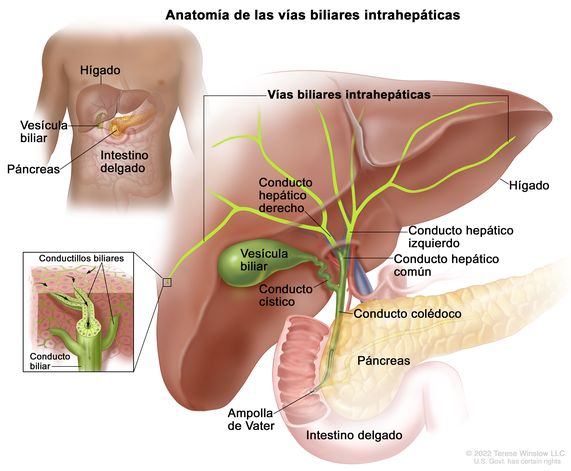
The common bile duct plays a vital role in digestion, transporting bile to the small intestine. This digestive fluid helps break down and absorb fats, containing bile salts to emulsify them.
Waste products, such as bilirubin, are also secreted in bile and eliminated in feces. Knowledge of the structure and function of bile is essential. main biliary tract is essential for diagnosis and treatment of various digestive problems.
Common disorders of the main biliary tract
Common bile duct disorders can affect anyone, so it's crucial to recognize the symptoms early to avoid future complications. The most frequent disorders are gallstones, which can cause inflammation or infection, and tumors such as choledochal cysts. Gallstones, which are hard, pebble-like accumulations of digestive fluid, can obstruct the duct and cause excruciating pain.
Inflammation or infection can also cause a blockage and lead to jaundice, while tumors can cause an obstruction or even cancer in this area. If you experience abdominal discomfort, fever, nausea, or discoloration of the skin or eyes, immediate medical attention is essential.
Confirm the cause of the disorders of the main biliary tract Diagnosing this condition can be difficult due to the wide range of symptoms. To identify the underlying cause, doctors may use a variety of diagnostic tests, including blood tests, ultrasounds, computed tomography (CT) scans, magnetic resonance imaging (MRI), and other diagnostic procedures. endoscopic retrograde cholangiopancreatography (ERCP). Treatment plans are based on the specific characteristics of the disorder.
To treat gallstones, surgery to remove the gallbladder or medication to dissolve them may be recommended. In cases of inflammation or infection, antibiotics may be prescribed, while tumors may require surgery or radiation therapy.
The complications of the common biliary tract disorders They can be devastating and even life-threatening. If not treated quickly and appropriately, bile duct blockages can lead to pancreatitis, which is inflammation of the pancreas. This can cause extreme pain, organ failure, and even death.
A minimally invasive surgical intervention such as ERCP is necessary to remove the obstruction and prevent further complications, such as cholangitis (pus in the intra- and extrahepatic biliary system). If you experience any symptoms of a common disorder of the main biliary tract, it is essential that Seek medical help immediately. in the public or private healthcare system to avoid serious consequences.

Fortunately, the common disorders of the biliary tract These illnesses can be prevented by making healthy lifestyle choices. Maintain a healthy weight and eat a balanced diet. low fat And abstaining from smoking and excessive alcohol consumption can reduce the chances of developing a disorder.
In addition, it's important to stay hydrated and exercise regularly to maintain a healthy digestive system. By taking care of your body, you can reduce your risk of developing [disease/condition]. common biliary tract disorders and promote your overall health and well-being.
Diagnosis and treatment
To accurately diagnose and treat disorders of the biliary tract It is essential for maintaining gastrointestinal health. Ultrasound is often used to obtain a complete image of the organs in the area. Blood tests may be performed to check for elevated liver enzymes, which can indicate a blockage or infection in the ducts.
Depending on the severity of the problem, treatment methods may vary and may include medication, surgery, or a combination of both in severe cases and those requiring more intensive care due to other accompanying illnesses.
Endoscopic retrograde cholangiopancreatography (ERCP) is an option for diagnosing and treating these conditions. During the procedure, a tube is inserted through the mouth, stomach, and small intestine to allow visual inspection of the area.
If there is a blockage, an instrument is used to remove it and restore normal bile flow. ERCP is minimally invasive and can usually be performed on an outpatient basis, with patients returning home the same day.
In the most severe cases, surgical intervention may be necessary to remove the gallbladder with the stones that are in most cases responsible for the presence in the main bile duct or called the common bile duct, by the surgical technique known as cholecystectomy.
La Laparoscopic surgery is a minimally invasive method which involves making small incisions in the abdomen and using specialized tools to remove the affected part of the duct.
In some cases, it may be necessary to remove part of the liver as well. Recovery time from laparoscopic surgery is usually shorter than from traditional open surgery, and many people can return to their normal routines within a few weeks.

Differential diagnosis
Intense pain in the upper right area, confirmed by palpation of a tender, soft mass below the right costal margin, should raise suspicion of a thin-walled, acalculous gallbladder with its wide variety of discomforts to be considered.
The gallbladder and bile ducts
The digestive system depends largely on the functioning of the gallbladder and the bile ducts. gallbladder It stores bile, a fluid created by the liver that helps digest fats.
Bile is transported to the intestine by the main bile duct and the bile ducts, where it helps break down and absorb fats. Without the gallbladder and the bile ducts, our body would be unable to properly process food.
Unfortunately, these organs are susceptible to a number of diseases and conditions. Examples include: Gallstones, which can obstruct the bile ducts and cause Pain, inflammation, and other problems. Surgery may be necessary to remove the gallbladder or remove the obstruction.
Everything you need to know to get and keep a vesicle and some bile ducts A healthy lifestyle requires a balanced diet, low in alcohol. Eating plenty of fruit, vegetables, and whole grains can help prevent gallstones and other conditions. In addition, regular exercise and maintaining a healthy weight are important for reducing the risk of these disorders.
If you experience any symptoms of problems in the gallbladder Or in the bile ductsIt is essential that you see a doctor. Tests and imaging studies can diagnose the problem and develop an appropriate treatment plan. With effective treatment, many problems of gallbladder and biliary tract They can be controlled, allowing you to continue leading a healthy and active lifestyle.
Symptoms of common biliary tract disorders
When it comes to common biliary tract disorders, several signs can indicate a problem. Jaundice, which causes a yellowing of the skin and eyes, is one symptom This is a common occurrence that happens when excess bilirubin builds up in the bloodstream as a result of a blockage. Other possible indicators include:
- dark urine
- Pale stools.
- Itching (pruritus).
- Abdominal pain.
It should be noted that not all people with problems in the common bile duct they experience symptomTherefore, it is important to undergo routine checkups and examinations to detect any potential problems early. Nausea and vomiting are other symptoms of common bile duct disorders that can occur when a blockage causes digestive fluids to flow back into the stomach.
In addition, some people may experience fever, chills, or fatigue as their body fights an infection caused by the blockage. If you or a loved one experience any of these symptoms, seek medical advice. symptomIt is essential that you seek local medical attention immediately to identify the cause and receive the correct and timely treatment.
Conclusion
Finally, regarding the most important point, the main biliary tract The common bile duct plays a crucial role in the digestive system by transporting bile from the liver to the small intestine. Disorders of the common bile duct, such as gallstones and inflammation, can cause severe pain and discomfort.
However, with proper diagnosis and treatment, many people can control their symptom and return to their normal daily activities. It is important to know the structure and function of the common bile duct, as well as the symptom and Options de treatment of the most frequent disorders, to maintain good digestive health.
We're at the perfect moment to share preventative health information on social media, giving more people the opportunity to avoid complications in the common bile duct. Thank you for leaving your comment for the blog audience. Until next time!
Dr. Jorge Delgado, Surgeon. On the main biliary tract.