
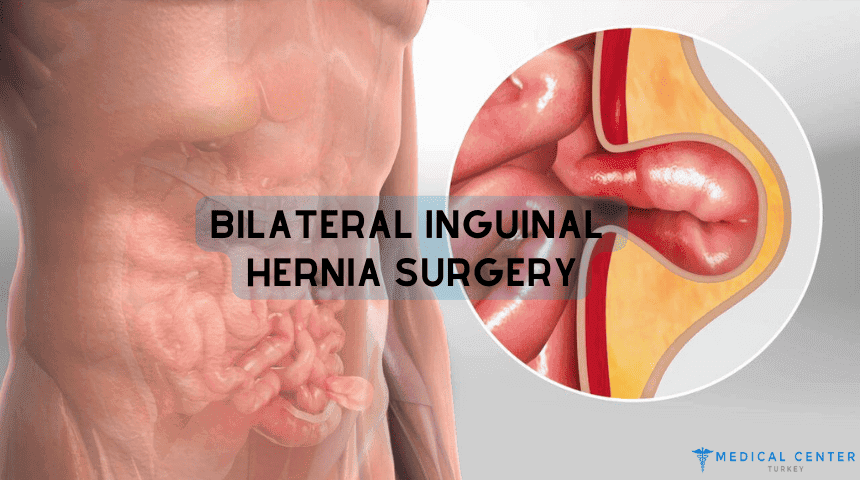
Welcome to this highly specialized portal for advanced abdominal wall surgery. Understanding the mechanics of an inguinal hernia is to delve into the natural engineering of the human body: that passage, or 'tunnel', that runs through the lower abdominal muscles.
As specialists with academic backgrounds, we know that when this duct fails, it is not just a lump, but a compromise of the muscular structural integrity that protects vital elements.
Before delving into the differences between direct and indirect defects, or how our state-of-the-art surgical protocol reinforces this channel to restore your functionality without pain, I invite you to release the tension in your hands and breathe calmly; diagnostic accuracy is the cornerstone of your safety.
Together with the academic direction of Dr. Jorge Delgado, we will analyze the anatomy of your recovery from a common abdominal condition in which part of the intestine protrudes through a weak area of the lower abdominal wall.
Frequently Asked Questions
What exactly is an inguinal canal hernia?
It is the passage of tissue (fat or intestine) through the inguinal canal, an oblique tunnel in the lower abdominal wall. It is the most common type of hernia because this canal constitutes an anatomical point of weakness.
What is the difference between a direct and an indirect hernia in this duct?
An indirect hernia enters through the internal or posterior opening of the inguinal canal (it is usually congenital), while a direct hernia passes through the lower wall of the inguinal canal due to tissue wear.
What are the main symptoms?
A lump appears in the groin that becomes more noticeable when coughing or straining. It is usually accompanied by a dull ache, burning sensation, or pressure that radiates to the scrotum in men or to the labia majora in women.
How does cutting-edge surgery solve this?
The goal is to reconstruct the walls of the inguinal canal. Through laparoscopic hernioplasty, we place a high-tech mesh that reinforces the "floor" of the inguinal canal, sealing all possible points of exit through a minimally invasive and highly safe surgery.
This article will provide an overview of the causes, symptoms, and treatment options for this condition.
It's important to see a doctor if you experience symptoms; this is the best advice "written by people, for people," as untreated hernias can lead to serious complications. Understanding the basics of this condition can help improve management and overall well-being.
Inguinal Canal Hernia
An inguinal hernia is a common condition that occurs when tissue, usually part of the intestine, protrudes through a weak spot in the abdominal wall in the groin area. This condition can occur in both men and women, although it is more common in men.
It is important to recognize the symptoms and seek medical attention, whether in the local area or in the city , through the public or private health system, according to your geographical location, since early treatment can prevent complications.
With the right knowledge, health enthusiasts can be better prepared to understand and manage this condition should a family member or friend experience discomfort from a visible inguinal lump.
⚠️IMPORTANT NOTICE: This content is for informational purposes only. For medical advice or diagnosis, consult a healthcare professional in your area.
Basic overview
In the realm of medical conditions , one ailment that affects a significant portion of the world's population is an inguinal hernia . This protrusion of the intestine or bladder through the abdominal wall is commonly seen as a bulge in the groin.
- On case of menThere is weakness of the inguinal ring or deep foramen; this is the area through which the spermatic cord passes from the abdomen to the scrotum, which makes them more prone to indirect inguinal hernias.
- In the womenThe condition may manifest as tissue or parts of the intestine protruding through the lower wall or floor of the inguinal canal, resulting in a visible inguinal bulge, typical of direct inguinal hernias.
It should be noted that, although some inguinal hernias present symptoms and require immediate medical attention, others are asymptomatic and may only be detected during a routine physical examination or medical evaluation for an unrelated problem.
It is important to understand that an inguinal hernia can be acquired or congenital.
- An congenital inguinal hernia It occurs due to the failure of the inguinal canal, a small pouch of peritoneum, to close. This pouch forms during the baby's development in the womb and usually closes before or shortly after birth.
- In the case of a acquired inguinal herniaIt is a weakness or defect of the abdominal wall that develops over time.
This weakness may be due to frequent exposure to risk factors, such as lifting heavy objects without safety measures, persistent coughing, or sudden weight gain.

The mainstay of inguinal hernia treatment is surgical intervention , as it is the only definitive way to repair the weakened area of the abdominal wall and prevent potentially serious complications.
Causes of inguinal hernia
Several factors can contribute to the development of an inguinal hernia. These include increased abdominal pressure , a pre-existing weak spot in the abdominal wall, and additional pressure on that weak area. In some cases, the weakening of abdominal tissues may be due to a combination of hereditary and environmental factors.
For example, a family history of inguinal hernias, being male, premature birth or low birth weight, and conditions that influence intra-abdominal pressure, such as chronic cough or long-standing constipation, may play a role in the development of an inguinal hernia.
It is essential to address these risk factors and take them into account in the overall treatment and prevention of inguinal hernias!
Symptoms of an inguinal hernia
The signs and symptoms of an inguinal hernia can vary from person to person . However, common signs include a bulge on either side of the pubic bone , which may become more noticeable when coughing, bending over, or straining.
In some cases, the bulge in the groin may retract when lying on your back. You may also experience discomfort or a feeling of pressure in the groin, especially when bending over, lifting heavy objects, or coughing. It's important to note that in some cases, inguinal hernias can cause significant pain and swelling in the groin area.
Immediate medical attention is needed in hospitals or clinics of the public or private health system if a hernia is irreducible, painful, or shows signs of complications, such as loss of blood supply to the incarcerated intestine, which constitutes a condition known as a strangulated hernia.
When to Seek Medical Attention
It is important to consult a healthcare provider if you notice a persistent lump in your groin or if you experience pain or discomfort in the area.
In addition, if the lump does not recede when lying down or is accompanied by redness, intense pain, digestive disorders such as nausea and vomiting , an urgent medical evaluation is essential.
These could be signs of a strangulated hernia , a condition that requires immediate medical attention to restore blood flow to the affected intestine and prevent tissue necrosis.
Patients are advised to seek immediate medical attention if they suspect they have an inguinal hernia, as early intervention can help prevent the condition from progressing and reduce the risk of complications.
Diagnosis of inguinal hernia
The diagnosis of an inguinal hernia usually includes a thorough review of the patient's medical history, a complete physical examination, and, in some cases, imaging studies such as ultrasound or magnetic resonance imaging (MRI).
During the physical assessment, the healthcare professional may ask the patient to stand up and cough while examining the groin to check for a hernia.

In some cases, when symptoms are inconclusive or the hernia is not immediately apparent, imaging studies may be used to confirm the diagnosis and assess the extent of the hernia. A thorough and accurate diagnosis is crucial for determining the most appropriate course of action and formulating a personalized treatment plan for each patient.
Inguinal hernia treatment
The primary and most effective treatment for inguinal hernias is surgical repair . This can be performed through open surgery or minimally invasive laparoscopic techniques , the choice of which depends on several factors, including the size and location of the hernia, the patient's medical history, and the surgeon's experience.
During the surgical procedure, the protruding tissue is placed back into the abdomen, and the weakened area of the abdominal wall is reinforced and supported, often using surgical mesh . This helps minimize the risk of hernia recurrence and promotes a faster and more comfortable recovery for the patient.
It is important for individuals to have a comprehensive discussion with their healthcare provider to understand the potential benefits and risks of different surgical approaches and to address any concerns or questions they may have about the procedure and post-operative care.
Key considerations in the treatment of inguinal hernia
When treating an inguinal hernia, several key aspects must be considered to ensure optimal patient outcomes. These include a thorough understanding of the causes , risk factors, and symptoms of inguinal hernias, as well as the available treatment options, their benefits, and potential complications.
In turn, implementing preventive strategies , such as maintaining a healthy body weight, avoiding activities that increase intra-abdominal pressure, and treating any persistent cough or constipation, is vital to reducing the risk of developing an inguinal hernia or preventing its recurrence.
In addition, providing clear and comprehensive education and support to patients, both pre- and post-operatively, can significantly contribute to their overall well-being and the success of the recovery process as part of the treatment.
Causes of inguinal hernia: understanding the underlying factors
By thoroughly understanding the various factors that can contribute to the development of an inguinal hernia, healthcare professionals can effectively identify and address the specific factors that predispose a person to developing it.
This may involve evaluating the patient's medical history, family history, and lifestyle factors to identify and mitigate the influence of modifiable and non-modifiable risk factors.
With this tailored approach, healthcare professionals can design customized strategies to reduce the risk of inguinal hernias and optimize the overall abdominal and pelvic health of their patients.
Signs and symptoms: recognizing and responding to inguinal hernias
Recognizing the signs and manifestations of an inguinal hernia and understanding its possible implications is crucial to facilitating timely diagnosis and intervention.
If people know the characteristic signs and symptoms of an inguinal hernia, they can seek immediate medical attention when needed, which can prevent the hernia from progressing and minimize the risk of associated complications.
In addition, by proactively addressing any unusual sensations or physical findings in the groin or lower abdomen, individuals can collaborate with their healthcare providers to implement the most appropriate and effective treatment strategies for their condition.
Available treatment options: empowering informed decision-making
Empowering people with comprehensive information about the treatment options available for inguinal hernias, including potential benefits, risks, and postoperative expectations, is essential to encouraging their active participation in the decision-making process.
By engaging in open and transparent discussions with healthcare providers, individuals can make informed decisions about their treatment, based on their unique medical needs, preferences, and personal circumstances.
This patient-centered approach not only fosters a sense of ownership and empowerment, but also promotes a collaborative and supportive care environment , which ultimately contributes to more favorable therapeutic outcomes and greater overall patient satisfaction.
Preventive strategies and lifestyle modifications: Promoting abdominal health
Promoting optimal abdominal health and preventing the onset or recurrence of inguinal hernias often involves implementing specific lifestyle modifications and preventative strategies.
These may include maintaining a healthy body weight, adopting safe techniques for lifting and carrying heavy objects , and addressing any underlying conditions that increase the risk of developing a hernia.

By encouraging a proactive approach to abdominal health and raising awareness of modifiable factors that can contribute to weakening of the abdominal wall, healthcare professionals can empower individuals to make positive and sustainable lifestyle changes, ultimately reducing the incidence of inguinal hernias and promoting overall well-being.
Comprehensive education and patient support: the cornerstone of successful treatment
The cornerstone of successful inguinal hernia treatment is providing comprehensive education and support to individuals undergoing treatment for this condition.
By ensuring that patients are well informed about all aspects of their care, including the nature of the condition, details of the recommended treatment, and the expected recovery process, healthcare providers can improve patient understanding and alleviate anxiety or uncertainty.
Furthermore, by providing ongoing support and resources to address patients' practical, emotional, and informational needs , healthcare teams can facilitate a more positive treatment experience and contribute to the overall success and well-being of individuals undergoing inguinal hernia repair.
Value analysis
The Vision of the "Tunnel":
The fundamental value lies in three-dimensional understanding . Dr. Delgado adds value by explaining that the inguinal canal has a roof, a floor, and two walls. A cutting-edge surgeon doesn't just place a mesh; they reconstruct the architecture so that abdominal pressure is distributed naturally.
Rigor of the Head Teacher:
The key difference lies in protecting vital structures. As an academic, it's emphasized that crucial nerves and blood vessels pass through this passageway. Surgical skill consists of repairing the defect without compromising sensitivity or vascular function in the area.
Conclusion
An inguinal hernia is a condition that occurs when tissue protrudes through a weakened area of the abdominal muscles. It can be caused by birth defects, age, or other factors, and may present as a bulge in the groin area and discomfort.
Surgery is often necessary to treat it. Understanding the causes, symptoms, and treatment options for this condition is crucial for maintaining a good quality of life.
If you find this information helpful for a family member or friend, please share it on your social media so more people can benefit from timely care. Don't forget to leave a comment for the blog's audience: Digestive Health. See you in the next post!
Dr. Jorge Delgado, Surgeon. Inguinal Canal Hernia.
📌 Recommended reading: Particularities of the duct
📌 Recommended reading: The gold standard for canal repair
📌 Recommended reading: When the content is only adipose tissue