
Welcome to this highly specialized website on digestive surgery and international health standards. Understanding the importance of dietary fiber according to the WHO means adopting the gold standard for preventing chronic diseases and maintaining gut health.
As specialists with academic backgrounds, we know that global recommendations are not mere suggestions, but evidence-based guidelines that protect your physiology.
Before we delve into the exact daily requirements, the impact on colorectal cancer prevention, or how our cutting-edge surgical protocol uses these parameters to safeguard your recovery, I invite you to release the tension in your shoulders and breathe calmly; following the global consensus is your best strategy.
Under the direction of Dr. Jorge Delgado, we will analyze these vital guidelines for digestive health; therefore, without further ado, we will address the topic from the WHO's point of view on dietary fiber.
Increasing your daily fiber intake has numerous preventative health benefits. It not only helps maintain regular bowel movements, but also contributes to controlling cholesterol and blood sugar levels, promotes gut health, and may contribute to a longer life.
Common questions
How much fiber does the WHO recommend consuming per day?
The WHO recommends a minimum daily intake of 25 grams (women) to 30 grams (men) of fiber for adults. This intake is essential to reduce the risk of non-communicable diseases, such as type 2 diabetes, heart disease, and certain types of cancer.
What types of food does the WHO prioritize to achieve this goal?
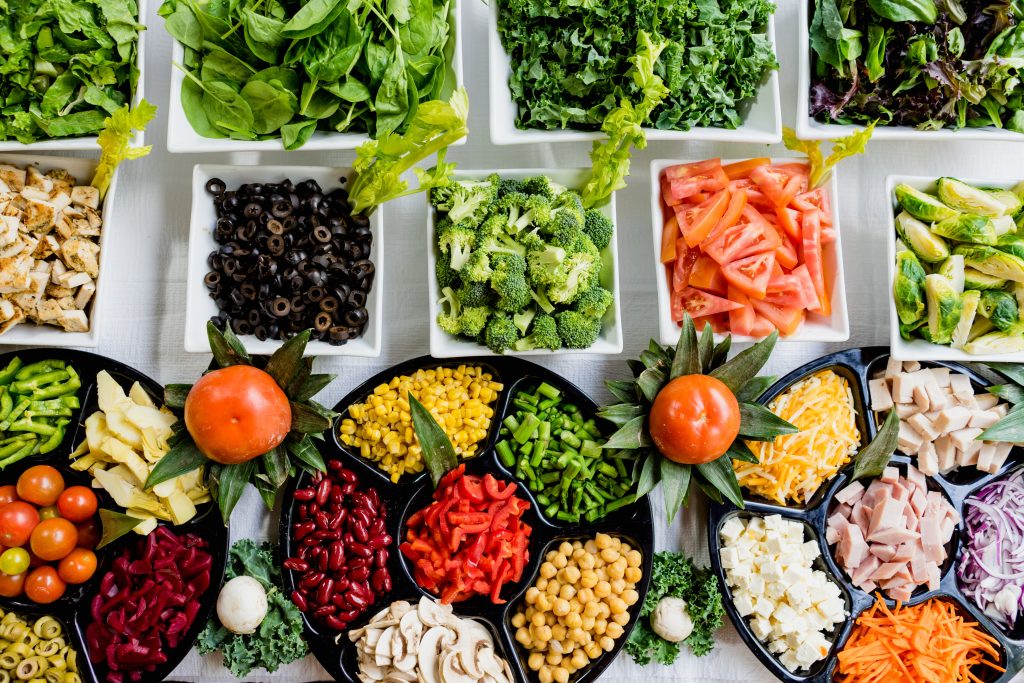
It is recommended to obtain fiber from whole, natural sources: at least 400g (5 portions) of fruits and vegetables per day, plus legumes, nuts and whole grains (such as oats, whole wheat or brown rice).
What are the benefits of following these guidelines for the abdominal wall?
Following the WHO standard ensures proper bowel transit and prevents putrefactive constipation. This reduces intra-abdominal pressure, a key factor in preventing inguinal hernias and hernia recurrence after surgery.
Is the recommendation the same for children?
The WHO suggests adjusting consumption according to age and calorie needs, but the principle of prioritizing whole plant foods over processed foods remains the basis for digestive health from childhood.
The World Health Organization (WHO) recommends a daily intake of 40 grams of fiber, but how do you reach that goal? In this article, we'll explore the different types of fiber, their sources, "written by people, for people," and the WHO's recommendations.
It's time to invite someone to drink a cup of dark chocolate (free of artificial additives such as colorings, flavorings and preservatives derived from petroleum), diluted in water and combined with the exquisite taste of cranberries.
Two 100% natural antioxidants containing an amino acid with neurostimulating action, which improves cognitive concentration and information retention for personal development.
This dictates a proactive approach to the aggressive guerrilla marketing campaign targeting junk food, which lacks nutritional value. Okay, let's delve deeper into the fascinating aspects of dietary fiber!
Dietary fiber according to the WHO
Dietary fiber is an important component of the WHO's dietary recommendations. It helps reduce the risk of several diseases, including colorectal cancer, heart disease, and type 2 diabetes; these are some of its main benefits.
Consuming foods rich in dietary fiber increases the feeling of satiety, reduces the absorption of cholesterol from food, and helps maintain healthy bowel function.
In addition to improving overall health, incorporating more dietary fiber also helps with weight management. Statistical data shows that adding more fiber to the diet can significantly reduce cholesterol and fasting blood glucose levels in people with diabetes.
To experience these benefits, the WHO encourages people to consume at least 25g per day from a variety of sources, including fruits, vegetables, nuts, seeds, legumes, and whole grains.
By following these simple guidelines, you can improve your health and well-being and, of course, gain a new outlook on life, focused on simplicity and nature.
Understanding dietary fiber and its importance
Dietary fiber, an essential component of a healthy diet, is the non-absorbable fraction of plant-based foods that the human digestive system cannot assimilate. This vital component, often referred to as "residue," is abundant in the cellular structure of fruits, vegetables, legumes, and whole grains.
With its diverse and rich composition, dietary fiber plays a crucial role in maintaining health and general well-being, making it an indispensable part of a balanced diet.
It's crucial to understand the importance of incorporating adequate dietary fiber into your daily intake. While the concept of fiber may seem simple, its profound influence on the body's various systems and its potential to prevent and manage a wide range of health problems cannot be overstated.
Recognizing the multifaceted benefits of dietary fiber is fundamental to making informed dietary choices and promoting long-term health.
Recognize the health benefits of dietary fiber
When it comes to the positive effects of dietary fiber on health, the benefits are as diverse as they are significant. From promoting digestive health to playing a key role in preventing chronic diseases, the advantages of dietary fiber are numerous and remarkable.
By understanding and appreciating these benefits, people can feel more motivated to prioritize and incorporate fiber-rich foods into their diets.
One of the best-known and most significant benefits of dietary fiber is its ability to normalize intestinal transit.
By increasing stool volume and promoting regularity, fiber contributes to the proper functioning of the digestive system, preventing the putrefaction of stool, a characteristic of constipation; therefore, it helps to prevent and relieve the most common gastrointestinal problems, becoming the "intestinal broom".
Furthermore, it significantly reduces the risk of developing conditions such as constipation, hemorrhoids and diverticulitis, and even more serious complications such as colon cancer.
Another key benefit of dietary fiber is its positive impact on heart health. By effectively lowering cholesterol levels and controlling blood sugar, fiber plays a vital role in reducing the risk of developing cardiovascular disease and conditions such as type 2 diabetes.
Furthermore, its ability to maintain a healthy weight by promoting a feeling of satiety and helping to control it is fundamental to preventing obesity and the numerous associated health complications. Increased longevity is another potentially compelling benefit associated with adequate dietary fiber intake.
Several studies and findings have suggested a strong relationship between high fiber intake and a lower risk of premature mortality, underscoring the importance of fiber in maintaining overall health and contributing to a longer, more vigorous life.
⚠️ IMPORTANT NOTICE: This content is for informational purposes only. For medical advice or diagnosis, consult a healthcare professional in your area.
Normalization of stool
One of the most impactful and well-documented benefits of dietary fiber is its role in normalizing bowel movements. By increasing stool volume, fiber promotes regularity and helps prevent both constipation and diarrhea.
This, in turn, contributes significantly to maintaining a healthy colon and reducing the risk of various gastrointestinal conditions and disorders.
Promoting regular bowel hygiene habits, through frequent evacuation, is essential to prevent the development of conditions such as hemorrhoids, diverticulitis, and colon cancer.
By maintaining the integrity and function of the colon, dietary fiber plays a vital and protective role for overall digestive health.
Maintaining intestinal health
In addition to regulating bowel movements, dietary fiber plays a crucial role in maintaining intestinal health. By increasing the weight and bulk of stool, fiber helps soften it and promotes regularity.
This, in turn, leads to a more efficient and better functioning digestive system, reducing the risk of various gastrointestinal disorders and conditions.
In addition, specific types of dietary fiber, such as prebiotics, fuel beneficial gut bacteria , promoting a healthy and balanced gut microbiota (1). This, in turn, is essential for supporting the body's immune system, improving nutrient absorption, and contributing to overall gut health.
Reduction of cholesterol levels
Another compelling benefit of dietary fiber is its ability to effectively lower cholesterol levels, especially when soluble fiber is consumed . By forming a gel-like substance in the intestines, soluble fiber binds to cholesterol and bile acids, facilitating their elimination from the body.
This process ultimately leads to a reduction in cholesterol reabsorption, which helps lower overall cholesterol levels and the risk of developing heart disease and related conditions.
The effects of fiber in reducing cholesterol, particularly soluble fiber, are essential to promote cardiovascular health and reduce the risk of atherosclerosis, stroke, and other heart complications.
Incorporating an adequate amount of dietary fiber, especially from sources such as oats, barley , and legumes, can significantly contribute to maintaining optimal cholesterol levels and cardiovascular health.
It helps control blood sugar
Dietary fiber, especially soluble fiber, has a well-established impact on blood glucose (blood sugar) control and on reducing the risk of developing type 2 diabetes.
By slowing down the digestion and absorption of carbohydrates and sugars, soluble fiber helps prevent rapid spikes in blood glucose, thus contributing to overall glucose control and reducing the risk of insulin resistance and diabetes.
Furthermore, the benefit of regular and sustained consumption of dietary fiber , especially from sources such as whole grains, fruits and vegetables, is associated with a lower risk of developing type 2 diabetes.
By contributing to the maintenance of a healthy body weight and preventing the accumulation of excessive fat, particularly in the abdominal region, fiber plays a significant and protective role in reducing the risk of diabetes and in the long-term maintenance of blood glucose control.
Contribution to weight control
The role of dietary fiber in weight management is multifaceted and significant. By increasing the volume of food and promoting a feeling of fullness, fiber-rich foods help reduce overall intake and prevent excessive weight gain.
In turn, regular consumption of fiber-rich foods contributes to maintaining a healthy weight by reducing the risk of developing obesity and its associated complications, such as high blood pressure, known as "the silent killer" (2) , dyslipidemia and certain types of cancer.

Another reason is the metabolic and physiological impact of dietary fiber, including its effect on reducing energy intake and regulating hunger hormones, which contribute significantly to weight control and maintaining a healthy weight.
By incorporating an adequate amount of dietary fiber through the consumption of fruits, vegetables, whole grains, and legumes, people can effectively support their weight management efforts and promote their long-term health and well-being.
Potential contribution to longevity
Emerging evidence suggests a compelling link between high dietary fiber intake and a greater likelihood of a longer, healthier life.
The robust impact of dietary fiber on several key aspects of health, such as cardiovascular health, weight management, and the prevention of chronic diseases, collectively contributes to fiber's potential to promote longevity and a higher quality of life.
By reducing the risk of developing numerous chronic conditions and by promoting the maintenance of optimal weight and body composition, dietary fiber plays a substantial role in promoting overall health and well-being.
This, in turn, can contribute to a longer life expectancy and a lower risk of mortality from various preventable and lifestyle-related causes, highlighting the potentially profound impact of dietary fiber on longevity and quality of life.
Exploring the different types of dietary fiber:
Soluble and Insoluble
Dietary fiber can be broadly classified into two main types: soluble and insoluble, which offer distinct and valuable benefits for overall health and well-being.
Understanding the specific properties and health benefits associated with each type of fiber is essential for making informed dietary choices and maximizing the positive impact of fiber on health.
Soluble fiber, which can dissolve in water and form a gelatinous substance, is known for its prominent role in reducing cholesterol levels, regulating blood glucose, and promoting a feeling of satiety.
This type of fiber is most abundant in foods such as oats, legumes, apples and berries and is famous for its diverse and significant health benefits.
Understanding the benefits of soluble fiber
One of the most notable benefits of soluble fiber is its cholesterol-reducing effect, attributable to its gelling capacity.
By binding to cholesterol and bile acids in the intestines, soluble fiber helps reduce cholesterol reabsorption, leading to lower overall cholesterol levels and a reduced risk of developing heart disease and related conditions.
In addition, the ability of soluble fiber to regulate and stabilize blood sugar levels is essential to promote overall control of this nutrient and reduce the risk of developing type 2 diabetes.
By slowing down the digestion and absorption of carbohydrates, soluble fiber helps prevent rapid spikes in blood glucose, thus promoting long-term glucose control and preventing insulin resistance and diabetes.
In addition, the gel-forming property of soluble fiber helps promote a feeling of satiety, which helps control weight and prevent overeating.
By prolonging the feeling of satiety and reducing total food intake, soluble fiber plays a crucial role in controlling a healthy weight and reducing the risk of obesity and its associated health complications.
Insoluble fiber, which does not dissolve in water, is known for its prominent role in promoting healthy bowel movements, combating constipation, and maintaining overall digestive health.
This type of fiber increases stool volume and helps prevent and relieve common gastrointestinal problems, significantly contributing to the proper functioning of the digestive system and reducing the risk of various conditions, including those related to the gut.
In addition, by increasing stool volume and promoting regularity, insoluble fiber has a protective role by reducing the risk of developing fecal putrefaction, which is the source of serious gastrointestinal conditions, including colorectal cancer.
By supporting the maintenance of a healthy colon and promoting overall digestive health, insoluble fiber is essential to reducing the risk of various gastrointestinal disorders and complications.
WHO recommendations on daily fiber intake
The World Health Organization (WHO) emphasizes the importance of dietary fiber in preventing various conditions and promoting overall well-being.
In line with this recognition, the WHO recommends a daily intake of 25 grams of dietary fiber for adults , emphasizing the vital role of fiber in optimal health and in reducing the risk of numerous chronic diseases.
It is essential to recognize and meet the recommended daily fiber intake to fully benefit from its diverse and substantial advantages for health and overall well-being. By adhering to the WHO's dietary fiber recommendations, individuals can effectively support their digestive health, reduce their risk of chronic conditions, and promote long-term health and vitality.
Strategies to achieve the recommended fiber intake
Incorporating an adequate amount of dietary fiber into your daily diet is a fundamental step to optimize your health and well-being.
By understanding effective strategies for reaching the recommended daily fiber intake, people can make informed food choices and take advantage of the diverse and significant benefits of dietary fiber for their overall health and long-term well-being.
One of the most effective strategies for reaching the recommended fiber intake is to regularly incorporate fiber-rich foods, such as fruits, vegetables, whole grains, legumes, and nuts. By including these foods in daily meals and snacks , people can significantly increase their fiber intake and promote their overall health and well-being.

The interesting thing is to explore diverse and tasty recipes that contain fiber-rich ingredients; it can be a pleasant and effective way to reach the recommended daily fiber intake.
From nutritious and delicious fruit smoothies to vibrant and nourishing salads , there are numerous creative and tasty ways to incorporate dietary fiber into your daily diet and improve your overall health and well-being.
Explore the main sources of dietary fiber
When it comes to dietary fiber, there is a wide and diverse variety of food sources that provide this vital substance for overall health and well-being.
From healthy and versatile fruits and vegetables to nutrient-rich grains, legumes, and seeds, people can explore and enjoy a wide selection of fiber-rich foods that provide flavor and a multitude of health benefits.
Fruits such as apples, berries, bananas and pears, along with plenty of water throughout the day, preferably aromatic waters of chamomile, boldo or mint (important: a metal or glass thermos), help the digestion of nuts, as well as the absorption of the nutrients they provide.
Value analysis
From Global Theory to the Patient's Table:
The fundamental value of this analysis lies in its clinical translation . Dr. Delgado adds value by explaining that those 25-38 grams are not just a number, but a "life insurance" for surgical repairs.
Head Teacher's Perspective:
The difference lies in the rigor. As an academic, he emphasizes that fiber, according to the WHO, acts as a prebiotic that modulates systemic inflammation, a cutting-edge concept that unites nutrition with surgical immunology.
Conclusion
Dietary fiber is an important nutrient that many people don't get enough of. The World Health Organization recommends consuming at least 25 grams of fiber per day, but most Americans only consume about half that amount.
If you're not currently getting this much fiber, don't be discouraged. Start by adding one or two more servings of whole grains, fruits, and vegetables to your daily diet, and you'll quickly reach the recommended level for your preventative health.
High-fiber foods are essential for a healthy diet and can contribute to better overall health. If you want to be healthy, start eating more fiber! What's your favorite high-fiber food? Let us know in the comments.
A big hug and thank you for the blog topic suggestions on digestive health. Until next time!
Dr. Jorge Delgado, Surgeon. Dietary fiber according to the WHO.
📌 Recommended readings:
✅ The risk of ignoring these guidelines